

You tear open a bag expecting a satisfying protein snack, and instead you get a jaw workout. If you’ve ever asked, why is jerky so tough, the answer usually comes down to how it’s sliced, seasoned, and dried - not just the meat itself.
Jerky is supposed to be chewy. That’s part of the category. But there’s a big difference between pleasantly chewy and stubbornly tough. When dried meat goes too far, the texture can overpower the flavor, and that’s where a lot of snack lovers start looking for something better.
Why is jerky so tough in the first place?
Traditional jerky gets its texture from moisture loss. As beef dries, water leaves the muscle fibers, which concentrates flavor but also firms everything up. The less moisture left behind, the harder the bite tends to be.
That sounds simple, but texture is really shaped by several production choices working together. The cut of beef matters. The direction of the slice matters. The marinade matters. Drying time and temperature matter even more. If any of those variables lean too hard toward preservation instead of eating quality, the final product can turn dense, leathery, or stringy.
For shoppers, that means one bag of jerky can feel tender enough to enjoy on a road trip, while another feels like it was built for survival kits.
The cut of meat changes everything
Some beef cuts naturally have more connective tissue than others. More connective tissue usually means more resistance when you bite. Lean cuts are common in jerky because fat can shorten shelf life, but very lean meat can also dry out faster and become harder.
That’s the trade-off. Lean beef helps create a stable dried snack, but if the producer doesn’t control the process carefully, it can lose too much moisture and turn rigid. A tougher cut that is aggressively dried will almost always eat tougher than a well-chosen cut that is handled with more precision.
Thickness matters too. A thick strip has more interior mass, so the outside can become firm before the center dries evenly. That uneven texture is part of why some jerky feels hard on the surface and fibrous in the middle.
Slicing with the grain or against it
This is one of the biggest reasons texture changes from bag to bag.
When beef is sliced with the grain, the muscle fibers stay long. That creates a more stringy, tear-apart bite. Some people like it because it feels hearty and traditional. Others find it too much work.
When beef is sliced against the grain, those fibers are shorter. The result is easier to bite through and less likely to feel leathery. It’s still dried meat, but it tends to feel more approachable.
If you keep wondering why is jerky so tough even when the flavor is good, grain direction is often the hidden culprit. Long fibers can make a snack feel much tougher than its actual moisture level would suggest.
Drying is where tough jerky is made
Drying is the whole point of jerky, but it’s also where texture can go sideways fast.
If beef is dried too long, too hot, or too aggressively, the proteins tighten and the meat gets hard. That can flatten the eating experience. You still get salt, smoke, spice, and beef flavor, but the bite stops being enjoyable.
On the other hand, if drying is too gentle or too short, the product may feel softer but can miss the texture people expect from a shelf-stable meat snack. So this is not a case of softer always being better. It depends on the style the producer is aiming for.
The best dried beef snacks hit a sweet spot. They remove enough moisture to intensify flavor and create snap, but not so much that every piece turns into a chew test.
Marinade affects texture more than people think
Most people think marinade is all about flavor. It is, but it also changes how the meat behaves during drying.
Salt pulls moisture and seasons the beef, while ingredients like sugar, soy sauce, and acids can influence tenderness and surface texture. A well-balanced marinade can help the final product stay flavorful without feeling brutally dry. A poorly balanced one can leave the meat overly cured, too stiff, or oddly sticky before it hardens.
That’s why two products with similar ingredients can eat completely differently. The formula, soak time, and drying process all interact.
For a brand built around bold flavor, this is where craftsmanship shows up. Great dried beef should not make you choose between taste and texture.
Why some jerky feels dry and some feels crispy
There’s an important difference between tough and crisp.
Tough jerky usually has a dense, resistant chew. You pull, tug, and work through the fibers. Crisp dried beef, by contrast, breaks more cleanly. It still has body, but the texture is lighter and more snackable.
That distinction matters if you love meat snacks but don’t love wrestling with them. A thinner format can change the experience entirely. Instead of a thick strip that demands effort, thin-sliced dried beef can deliver concentrated flavor with a cleaner bite and more immediate crunch.
That’s one reason shoppers who are tired of hard, bland jerky often gravitate toward alternatives with a chip-like texture. You still get the savory payoff of premium beef, but the eating experience feels faster, sharper, and more crave-worthy.
Storage can make jerky tougher over time
Even a well-made bag can get tougher if it sits too long or isn’t sealed properly after opening.
Once jerky is exposed to air, it can keep losing moisture. That means the texture you enjoyed on day one may get noticeably firmer by day three. Heat and low humidity can speed that up, especially if the bag is left in a car, backpack, or pantry without being closed tightly.
So if a product seems tougher near the end of the bag, storage may be part of the story. It’s not always a manufacturing issue.
Is tough jerky a sign of quality?
Not necessarily.
A lot of people assume harder jerky means it’s more authentic, more traditional, or more packed with protein. Sometimes that belief comes from old-school jerky styles that were intentionally dry. But toughness alone is not proof of premium quality.
In fact, overly hard texture can signal the opposite - that the product was dried without enough precision or designed around shelf life more than eating pleasure. Premium texture should feel intentional. It should match the style of the product and support the flavor, not fight it.
That’s where category differences become obvious. Traditional jerky aims for chew. Other dried beef snacks aim for crunch, lighter bite, or a more layered texture. Neither is automatically right for everyone, but one may suit your snacking style a lot better.
What to look for if you want less tough jerky
If you’re tired of meat snacks that feel like a project, pay attention to the format before you buy. Thin slices tend to be easier to bite than thick strips. Products described as crispy or chip-like usually deliver a very different experience than classic chewy jerky. Ingredient quality and marinade style also matter, especially if you want bold flavor without that dry, flat finish.
It also helps to think about what you actually enjoy. If you want something rugged and long-chewing, traditional jerky may still be your lane. If you want a more craveable, snack-forward bite, dried beef made for crunch can be a better fit.
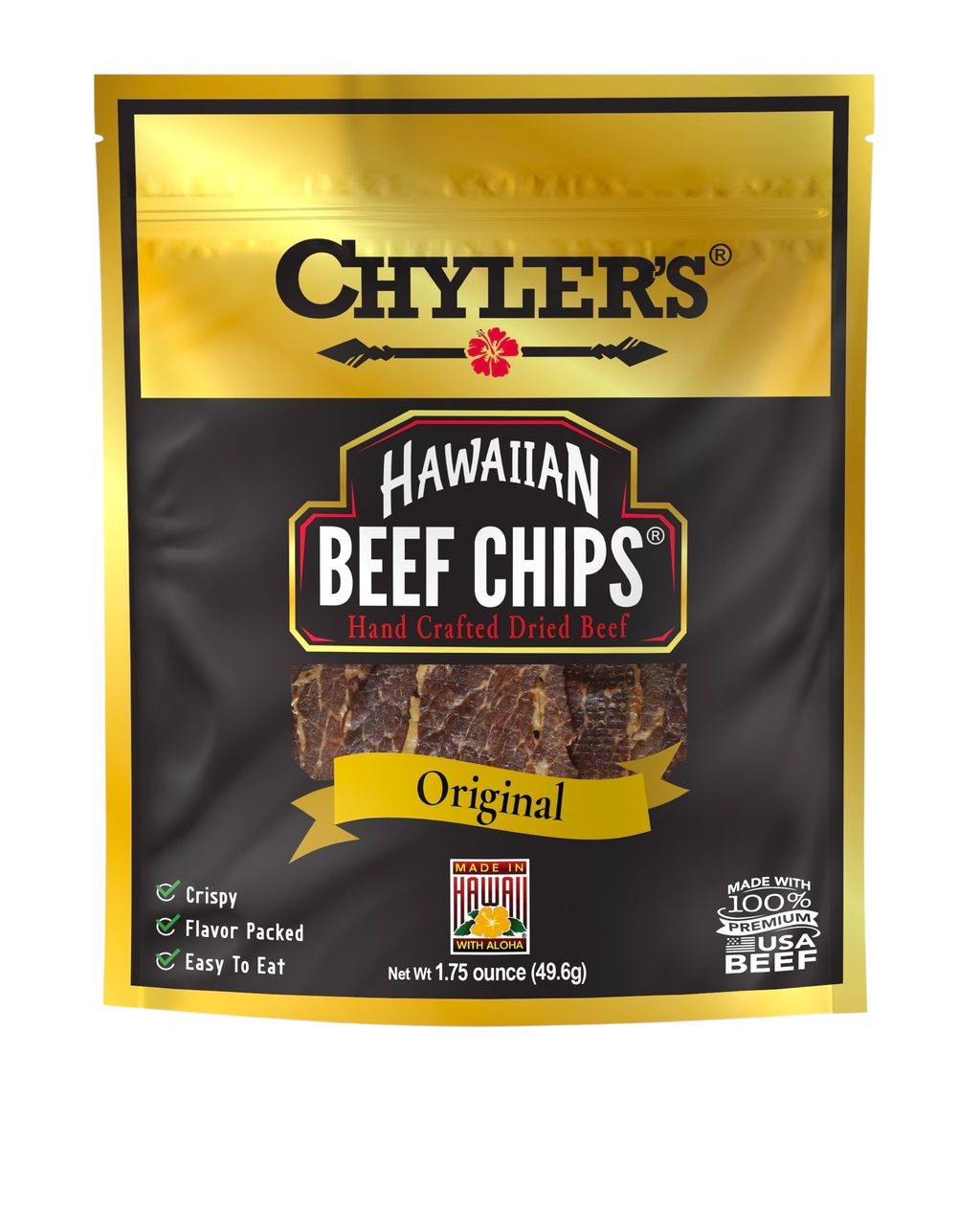
That’s exactly why some consumers move beyond standard jerky and into products like Hawaiian Beef Chips. Thin-cut premium US beef, authentic Hawaiian flavors, and a distinctly crisp texture can deliver the savory satisfaction people want without the overly hard chew they don’t.
So why is jerky so tough sometimes?
Because dried meat is a balancing act. Slice too thick, dry too far, choose the wrong cut, or work with the grain, and toughness takes over. Get those details right, and the texture becomes part of the pleasure instead of the obstacle.
If your current jerky leaves your jaw sore, that’s not something you have to settle for. The best meat snacks still bring big beef flavor, but they do it with a texture you’ll actually want another bite of.