
A meat snack can look great on the bag and still disappoint the second you open it. Maybe it is too tough, too salty, weirdly sweet, or so dry it feels like a workout. If you are figuring out how to choose meat snacks, the real goal is simple - find one that delivers bold flavor, satisfying texture, and quality you can actually taste.
That sounds obvious, but the category is crowded. There is classic jerky, meat sticks, bars, bites, and newer crispy options that eat more like a chip than a chew toy. The right pick depends on what you care about most: protein, portability, clean ingredients, serious flavor, or a texture you will want to reach for again.
How to choose meat snacks without wasting money
Start with the eating experience, not the marketing claims. Most people buy meat snacks because they want something savory, convenient, and filling. But not all products satisfy in the same way. Some are built around pure chew. Others lean hard into smoke, sugar, or spice. Some feel premium because they use better meat and a more careful process. Others just use premium language.
A good shortcut is to ask what kind of snack you actually want. If you want something long-lasting for road trips or hiking, a denser jerky or meat stick may work. If you want quick crunch and big flavor during the workday, a thinner dried beef snack can be a better fit. Choosing well gets easier when you match the format to the moment.
Texture matters more than most people think
Texture is often the dealbreaker. Traditional jerky can be satisfying if you like a dense chew, but plenty of shoppers are tired of overly hard, leathery strips that take too much effort. If that sounds familiar, pay attention to how the product describes its bite. Words like tender, crispy, thin-sliced, or chip-like usually point to a very different experience than thick-cut or extra chewy.
This is where personal preference really takes over. Some people want a slow chew because it feels hearty. Others want a lighter, crispier texture that still brings strong beef flavor. Neither is wrong. The mistake is assuming all dried meat snacks eat the same.
A premium snack should feel intentional. If it is crisp, it should have a clean snap, not a stale crumble. If it is chewy, it should be pleasantly firm, not stubborn. Texture is not just about comfort. It shapes how the flavor lands and how satisfying each bite feels.
Check the meat first, then the seasoning
If the beef is not good, no amount of seasoning will save it. One of the smartest ways to choose meat snacks is to look for products made with quality cuts or clearly identified meat sources. Premium US beef is a strong sign that the brand is taking the product seriously.
After that, look at how the flavor is built. A great meat snack should taste like beef first, then bring in marinade, spice, smoke, pepper, garlic, or heat in a way that feels balanced. The best products do not bury the meat under sugar or sodium. They build flavor in layers.
This is also where regional identity can make a snack more interesting. Authentic Hawaiian flavors, for example, can bring a savory-sweet depth that feels more distinctive than standard convenience store jerky. When a brand is known for craftsmanship and a carefully developed marinade, that usually shows up in the final bite.
Ingredients should match the promise
You do not need a perfect ingredient panel. You do want one that makes sense. If a snack calls itself premium, the ingredient list should support that claim. Look for recognizable seasonings, real beef, and a formula that is focused rather than padded with fillers.
That said, this is where trade-offs come in. Some meat snacks use sugar to round out marinades or support a specific flavor profile. That is not automatically bad. A touch of sweetness can make black pepper pop or balance garlic and spice. What matters is whether the flavor feels deliberate rather than syrupy.
Sodium is another area where context matters. Meat snacks are naturally savory, and many people buy them for exactly that reason. If you are watching salt closely, compare labels. But if your priority is taste and satisfaction, do not assume lower sodium always means better. Sometimes it just means flatter flavor.
Protein is important, but satisfaction is bigger
Many shoppers head straight for the protein number, and that makes sense. Meat snacks are an easy way to get a protein boost without much prep. But protein alone does not guarantee a good snack. A product can have solid macros and still taste dry, bland, or one-note.
A better question is whether the snack feels worth eating. Does it actually curb hunger? Does the texture keep it interesting? Do you enjoy the flavor enough to want it again? When a snack combines protein with crave-worthy taste and an enjoyable bite, it works harder for you.
This is especially true if you are replacing chips or other salty snacks. A meat snack that brings bold seasoning and a chip-like crunch can satisfy both the protein craving and the desire for a more exciting texture. That combination is hard to fake.
Flavor should be clear, not confusing
The fastest way to spot a forgettable meat snack is muddy flavor. You should know what you are tasting. Original should be rich, savory, and beef-forward. Cracked pepper should have a clean pepper bite, not just generic heat. Spicy should wake up your palate without bulldozing everything else. Roasted garlic should taste deep and aromatic, not dusty.
If you like variety, choose a brand that treats each flavor as its own experience instead of making minor tweaks to the same base product. Distinct flavor options usually signal a more thoughtful approach to seasoning. That also makes it easier to pick based on mood.
For everyday snacking, balanced flavors tend to win. For sharing, bolder options stand out. If you are new to specialty meat snacks, start with a classic flavor and then branch into pepper, spice, or garlic depending on how adventurous you want to get.
How to choose meat snacks for different occasions
Context matters. The snack you want at your desk may not be the one you want on a hike or packed for travel. Thin, crunchy beef snacks are great when you want something fast, flavorful, and easy to eat without a lot of tugging and chewing. Traditional jerky can make more sense when you want a slower, heavier snack.
For entertaining or gifting, uniqueness matters more. This is where handcrafted products with regional character really shine. A meat snack made in Hawaii with authentic island flavor cues feels more memorable than another generic bag of jerky. It gives people something to talk about, not just something to munch on.
For repeat purchases, consistency matters most. If you find a snack with reliable flavor, satisfying texture, and quality ingredients, that is usually a better long-term pick than something flashy that only tastes good once.
Premium usually means process, not just price
A higher price point can be worth it when the product earns it. In meat snacks, premium often comes down to sourcing, slicing, marinating, drying, and seasoning. A careful multi-step process can produce better texture and deeper flavor than shortcuts ever will.
This is one reason many shoppers move beyond mass-market jerky. They want a snack that feels crafted, not cranked out. Wafer-thin dried beef with a distinct crunch, for example, creates a completely different experience from thick, tough strips. If that texture sounds more satisfying, it is worth seeking out.
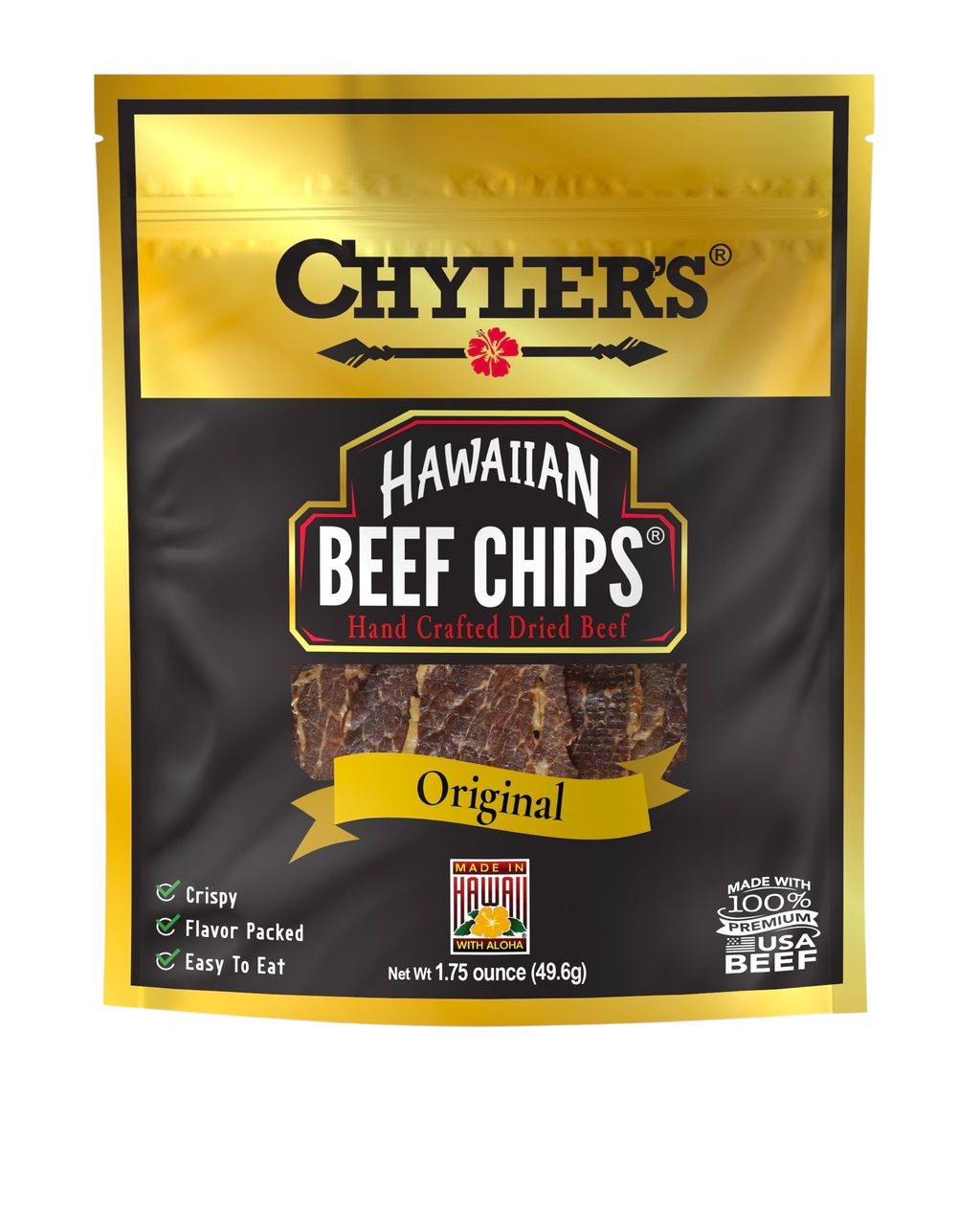
Chyler's Hawaiian Beef Chips is a strong example of this difference - premium US beef, authentic Hawaiian flavors, and a crave-worthy crunch that stands apart from standard jerky.
A smart final filter before you buy
Before you commit, ask four quick questions. Do I like this texture? Does the flavor sound clear and appealing? Does the ingredient list feel in line with the brand's quality claims? And will this snack fit the moment I am buying it for?
If the answer is yes across the board, you are probably making a good choice. If one of those feels off, keep looking. Meat snacks should be easy to enjoy, not something you force yourself to finish because the package looked good.
The best pick is the one that gives you real flavor, real satisfaction, and a texture you actually crave. Once you find that, you are not just buying protein. You are buying a snack you will look forward to opening again.