

A great beef snack is decided long before the first bite. The marinated beef snack process is what separates a forgettable strip of dried meat from something you actually crave - bold flavor, clean beef taste, and a texture that keeps you reaching back into the bag.
For snack lovers who are tired of tough, dull jerky, process matters. Not in a factory-jargon way, but in a flavor-and-crunch way. Every choice - the cut of beef, the marinade hold time, the slice thickness, the drying method, and the final seasoning balance - changes the eating experience. If you want a premium snack, you want to know what is happening behind that flavor.
Why the marinated beef snack process matters
A lot of meat snacks promise big flavor, but the result often lands in two disappointing camps. One is overly chewy and dry, where the seasoning sits on the surface and the beef itself tastes flat. The other is too soft or sugary, where the marinade overpowers the meat and leaves a sticky finish.
A well-executed marinated beef snack process avoids both extremes. It builds flavor into the beef instead of just dusting it on top. It manages moisture carefully so the snack stays shelf-stable while still delivering a satisfying bite. And when it is done right, it creates texture with purpose - not just dryness for the sake of preservation.
That is especially important if the goal is something more distinctive than standard jerky. A premium beef chip-style snack needs balance. It should have enough marinade to carry bold flavor, enough drying to create a crisp finish, and enough beef character to still taste like real meat rather than a seasoning vehicle.
Step 1: Start with premium beef
Everything begins with the raw material. Premium US beef gives the process a better foundation because the flavor is cleaner and the texture is more consistent. If the beef quality is uneven, no marinade can fully fix that.
Leaner cuts are often preferred for dried snacks because excess fat can interfere with shelf life and create an unpleasant mouthfeel over time. But too lean can create its own problem. The snack may dry out too aggressively and become brittle in the wrong way. The target is controlled leanness - enough structure for a clean slice and enough natural beef character to stand up to seasoning.
The way the beef is trimmed also matters. Uniformity helps every later step work better. If one piece is thick and another is thin, they will not absorb marinade at the same rate or dry at the same pace. Consistency is what turns a good recipe into a reliable product.
Step 2: Build a marinade that does more than coat
This is where the personality comes in. A strong marinade is not just salty liquid with a little spice. It is the flavor engine of the snack.
In the best marinated beef snack process, the marinade has jobs to do. It seasons the meat, supports preservation, influences color, and helps shape the final bite. Salt is essential, but it cannot do all the work alone. Sweetness, heat, garlic, pepper, and savory depth need to be balanced so the flavor hits quickly without tasting muddy.
This is where regional identity can make a product stand out. Authentic Hawaiian flavor profiles bring a different energy than standard smoke-and-pepper jerky formulas. There is room for savory sweetness, warm spice, and a more layered finish that feels brighter and more craveable. When that marinade is proprietary and tightly controlled, the product starts to become recognizable from the first bite.
Still, more marinade is not always better. If the formula is too heavy, it can mask the beef and create a sticky, dense finish after drying. If it is too light, the snack tastes thin. The sweet spot is a marinade that penetrates and enhances rather than overwhelms.
Step 3: Give the beef enough time to absorb flavor
Marinating is not a decorative step. It is where the beef and seasoning actually start becoming one product.
Time matters here, but so does control. A short marinade window may leave flavor sitting mostly on the surface. An excessively long soak can change texture too much, especially if the formula includes aggressive salty or acidic components. The goal is full, even flavor without turning the meat mushy or one-note.
Temperature control matters just as much. Proper marination needs a safe, monitored environment so the beef develops flavor under the right conditions. For premium products, this part of the process is about discipline. You are not waiting around and hoping for flavor. You are managing how flavor gets into the meat.
Step 4: Slice for the final texture you want
Thickness is one of the biggest texture decisions in the entire process. It decides whether the final snack eats like classic jerky, a tender dried strip, or a crisp beef chip.
Thicker slices hold more chew and moisture. That can work well if the product is meant to be hearty and dense. Thinner slicing creates more surface area, allows marinade flavor to register faster, and opens the door to a lighter, crisper finish. That is a major reason wafer-thin beef snacks feel so different from traditional jerky. They do not fight back with every bite.
This is also where precision matters. Thin slicing sounds simple until you need every piece to behave similarly in drying. Uneven cuts produce mixed results - some too soft, some too hard, some just right. A premium product depends on repeatable slicing that supports the intended crunch.
Step 5: Dry with control, not guesswork
Drying is where the texture becomes real. It is also where many meat snacks lose their appeal.
If the beef is dried too fast, the outside can tighten before the interior moisture has reduced properly. That can create a harsh bite rather than a clean crunch. If it is dried too slowly or not far enough, the texture can stay leathery and heavy. The best marinated beef snack process uses carefully managed time, airflow, and temperature to remove moisture while preserving flavor.
This is not a one-size-fits-all step. The right drying profile depends on the cut, the marinade, the slice thickness, and the intended finish. A product built for chip-like crunch needs a different endpoint than a soft, chewy jerky. That is why process is such a competitive advantage. Two brands can start with beef and seasoning and still end up miles apart on texture.
Step 6: Finish with seasoning balance and quality checks
Once the beef reaches the right dryness, the work is not over. The final product has to be evaluated for flavor, appearance, and bite.
This is where a premium snack either earns its place or falls short. Does the seasoning taste balanced from the first piece to the last? Does the crunch feel intentional or random? Is the beef still the star, or did the salt and spice take over? Great snacks do not just taste strong. They taste sharp, clean, and repeatable.
For brands built around flavor variety, this finishing stage becomes even more important. Original should feel savory and satisfying. Cracked pepper should bring bite without bitterness. Spicy should deliver heat that builds without drowning the palate. Roasted garlic should taste warm and rich, not dusty or harsh. Each flavor needs its own balance while still preserving the brand’s signature beef-and-crunch identity.
What makes this process better than standard jerky
The biggest difference is texture. Traditional jerky often leans on chew as proof that it is substantial. But chew is not the same thing as satisfaction. For many snack buyers, especially those looking for something more premium and memorable, excessive toughness feels like work.
A refined marinated beef snack process can create a lighter, cleaner bite with more immediate flavor release. Thin slicing and precise drying let the marinade show up faster. The result is a snack that feels bolder and more snackable, not just more dried out.
There are trade-offs, of course. A chip-like beef snack is not trying to imitate thick, rugged jerky. It is aiming for something more crave-worthy - more crunch, more flavor impact, and less jaw workout. If that sounds like a better deal, you are probably already the right customer for it.
Why craftsmanship still matters
This category is crowded with products that talk about protein and convenience. Those points matter, but they are not enough anymore. People want snacks that taste distinctive and feel worth buying again.
That is where craftsmanship shows up. Not as a buzzword, but as the difference between average and memorable. When a brand takes the marinated beef snack process seriously - from premium beef to authentic seasoning to texture control - the product has a clear identity. It stops being just another bag of dried meat.
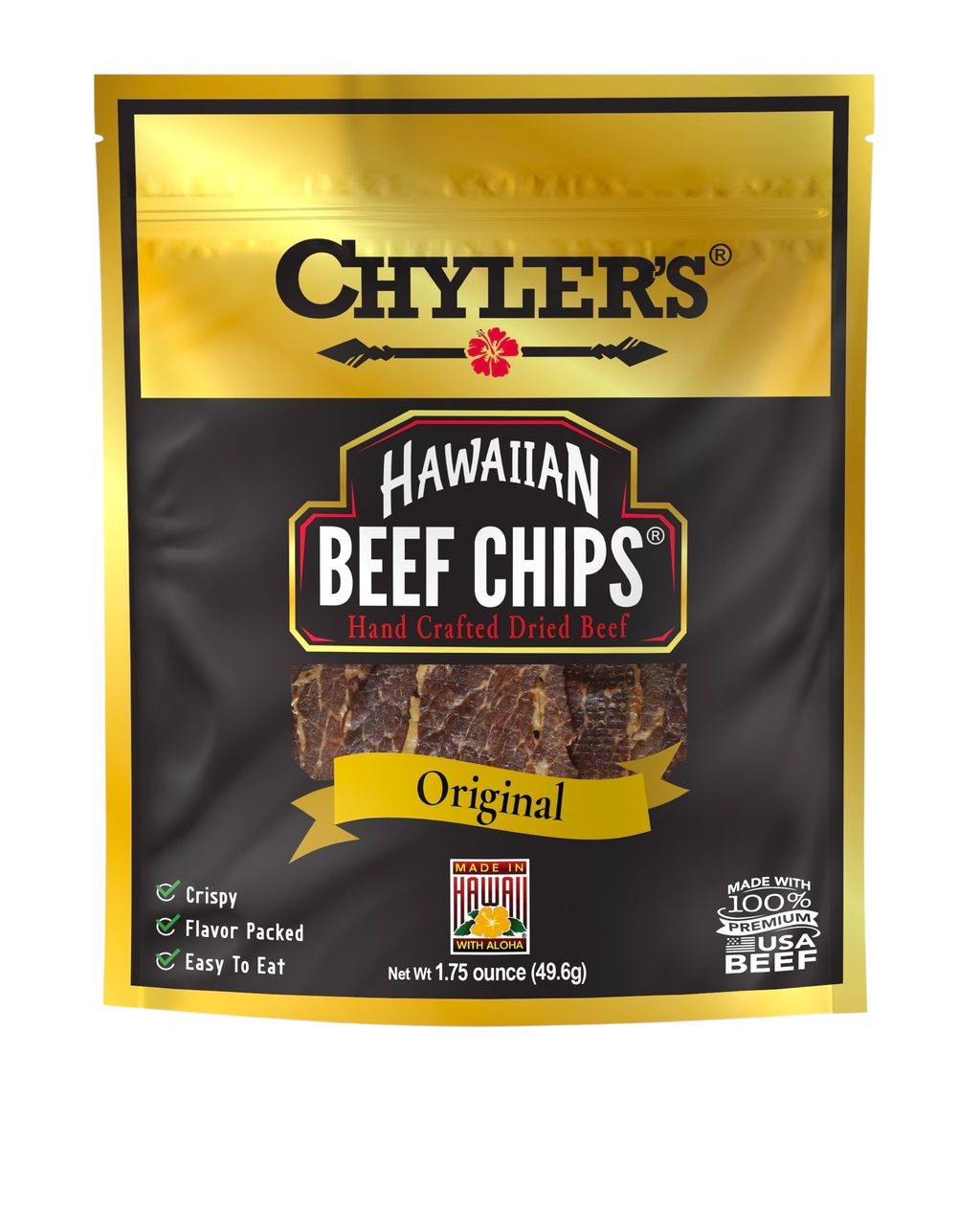
That is exactly why Hawaiian Beef Chips from Chyler’s stand apart. The flavor is bold, the crunch is uniquely crave-worthy, and the process is built to deliver something beyond ordinary jerky. If your snack standards are higher than tough and salty, that difference is easy to taste.
The next time you reach for a beef snack, pay attention to what the texture and flavor are telling you. You can usually taste the process in the first bite.