

A great dried beef snack should taste seasoned all the way through, not like plain meat wearing a dusty coat of spices. That is how dried beef gets seasoned at its best: flavor is built in layers, starting before the beef ever meets the dryer and becoming more concentrated as moisture leaves the meat.
For snack fans used to tough, one-note jerky, the difference is huge. The right process can bring savory depth, a little sweetness, peppery heat, garlic richness, or a Hawaiian-style blend that stays memorable from the first bite to the last crisp piece.
How Dried Beef Gets Seasoned: It Starts Before Drying
Seasoning dried beef is not a single step. It is a sequence of decisions involving the cut, slice thickness, marinade, spice blend, resting time, and drying method. Each one affects how boldly the finished snack tastes.
The process usually begins with quality beef trimmed and sliced to a consistent thickness. That consistency matters because a thicker piece takes longer to absorb seasoning and dry, while a very thin slice takes on flavor quickly and can deliver a lighter, chip-like crunch. Neither approach is automatically better. Thick-cut jerky offers chew; thin-cut dried beef puts texture and fast flavor payoff front and center.
Once sliced, the beef is ready for its first major flavor layer: the marinade.
Marinades Carry Flavor Into the Beef
A marinade does more than make beef taste wet and saucy. Salt, savory ingredients, aromatics, sugar or other sweet notes, and spices work together to season the surface and help flavor move beyond it during the resting period.
Salt is especially important. It makes beef taste more intensely beefy, balances sweetness, and supports the preservation process when used as part of a properly controlled recipe. Savory components can add body and depth, while ingredients such as garlic, ginger, pepper, chile, or onion create the personality of the snack.
A Hawaiian-inspired marinade may lean into salty-sweet contrast, rich umami, and bright aromatics. The goal is not to bury the beef. It is to make premium US beef taste even more like the snack you want to keep reaching for.
Timing matters here. If the beef does not rest long enough, the flavor can stay too close to the outside. Let it sit too long or use an overly aggressive formula, and the seasoning may overpower the meat or create an uneven salty bite. Experienced producers dial in time, slice thickness, and marinade strength together rather than treating any one of them as a fixed rule.
The Spice Blend Does the Heavy Lifting
Marinade gives dried beef its foundation. A spice blend gives it its signature.
Some seasonings dissolve or disperse well in liquid. Others perform best when they stay closer to the surface, where their aroma hits first. Coarsely cracked black pepper, for example, brings a sharp, fragrant bite that is different from finely ground pepper mixed deep into a marinade. Chile can add a slow-building heat. Roasted garlic brings round, savory richness without needing a long ingredient list.
This is why bold dried beef recipes often use seasoning in more than one way. Part of the flavor may be in the marinade, while a final dusting or surface application reinforces key notes before drying. That layered approach prevents the flavor from tasting flat.
Balance is the real skill. Too much sugar can scorch or turn sticky during drying. Too much salt can mask the meat. Too much heat can flatten every other flavor. A strong recipe has contrast: savory against sweet, spice against richness, and enough salt to make the whole profile pop.
For consumers, this is the difference between “spicy” as a vague label and spicy beef that has actual flavor before the heat arrives.
Drying Changes the Taste, Not Just the Texture
Drying is where a good seasoning becomes more concentrated. As water leaves the beef, the remaining flavors become more noticeable. Salt tastes saltier. Sweetness becomes more pronounced. Pepper, garlic, and chile can smell more vivid. That is why a marinade that tastes perfectly balanced before drying may taste too intense after it.
Producers have to season with the finished product in mind. The goal is not to make raw beef taste perfect straight from the bowl. The goal is to make dried beef taste balanced after moisture loss has done its work.
Drying also affects where flavor lands. A slow, controlled process helps create a finished piece with a seasoned interior and a flavorful surface. The exact temperature, airflow, and duration depend on the product style, slice thickness, and food-safety process. Push drying too hard, and the outside can become overly dry before the center is ready. Dry too gently, and the texture may miss the mark.
For crisp dried beef, thin slices are a major advantage. They dry more evenly and can produce that satisfying snap without becoming a jaw workout. The seasoning feels immediate because there is less dense meat standing between your taste buds and the flavor.
Why Some Dried Beef Tastes Bland
Bland dried beef is rarely caused by a lack of spices alone. Often, the problem is that flavor was applied too late, the slices were too thick for the marinade time, or the drying process muted the intended balance.
A heavy coating of seasoning can look impressive but still disappoint. If the meat underneath is plain, the first bite may be loud and the rest of the chew may fade away. On the other hand, a well-marinated piece with no thoughtful surface seasoning can taste deep but lack the aromatic punch people expect from a premium snack.
Texture plays a role, too. Very hard dried meat takes longer to chew, which can make flavors feel muted or uneven. A thinner, crispier format releases flavor quickly and keeps each bite lively. That is part of what makes a beef chip different from standard jerky: it is built for crunch as much as it is built for protein.
Different Seasonings Create Different Snack Experiences
The same basic seasoning process can produce dramatically different results depending on the flavor profile.
Original dried beef usually focuses on clean savory depth. It should bring out the beef, with enough salt, sweetness, and aromatics to stay crave-worthy without becoming busy. This is the benchmark flavor because there is nowhere for a weak recipe to hide.
Cracked pepper dried beef needs more than heat. Fresh, aromatic pepper should cut through the savory notes and stay noticeable after drying. The texture of the pepper matters as much as the flavor - larger pieces can create a sharper pop on the surface.
Spicy varieties depend on restraint. A great spicy dried beef should have a clear flavor identity first, then a controlled heat that builds rather than overwhelms. Some people want a warm finish; others want a serious kick. The best recipe knows which promise it is making.
Roasted garlic takes a different route. It is less about heat and more about richness. When handled well, garlic adds a toasted, savory character that makes dried beef feel fuller and more indulgent.
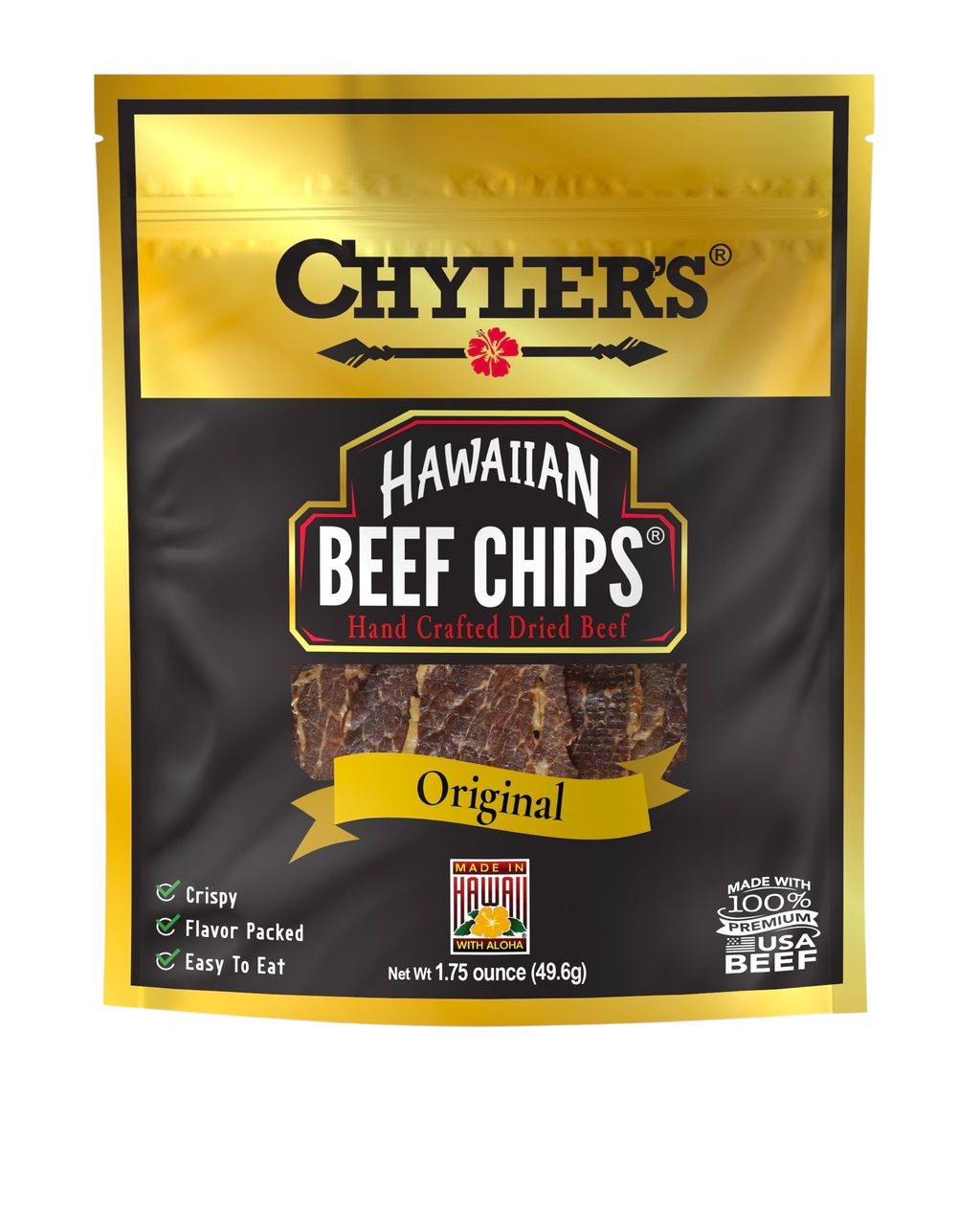
At Chyler’s, those distinct profiles meet wafer-thin beef and a uniquely crave-worthy chip-like crunch, proving that a meat snack does not have to choose between bold seasoning and a satisfying texture.
What to Look for in a Well-Seasoned Dried Beef Snack
When you open a bag, aroma is your first clue. You should be able to smell the featured seasoning, whether that is pepper, garlic, chile, or a savory-sweet Hawaiian blend. The scent should be appetizing, not harshly salty or artificial.
On the first bite, look for flavor that arrives quickly but does not disappear. The best pieces taste seasoned at the edge and through the meat, with a finish that invites another bite. A little variation between pieces is normal with handcrafted food, but the overall profile should remain consistent from bag to bag.
Finally, consider how the texture supports the recipe. Crisp, thin dried beef carries spices differently than chewy jerky. If you want a snack with immediate crunch and concentrated flavor, thin-cut beef chips are hard to beat. If you prefer a longer chew, a thicker style may suit you better.
The next time you reach for dried beef, pay attention to more than the flavor name on the bag. Notice the aroma, the first crunch, the way the seasoning stays with the beef, and whether the finish makes you want one more piece. That is where careful seasoning earns its place.