

That first sharp crackle is not an accident. How crunchy beef snacks stay crisp comes down to controlling moisture at every stage: the cut of beef, the marinade, the drying process, the cool-down, and the package that protects the finished snack. Get one of those steps wrong, and a crisp beef chip can turn leathery or soft long before it reaches your hands.
For people who want more than a tough, chewy strip of traditional jerky, crunch is the whole point. A properly made beef snack should deliver bold savory flavor first, then a clean, chip-like bite that keeps you reaching back into the bag.
Why Moisture Is the Enemy of Crunch
Crunch happens when a food has very little available water. In a crispy beef snack, the thin meat structure becomes firm and brittle enough to fracture when you bite it. That familiar snap is a texture signal: the snack has been dried to the point where moisture is no longer softening its fibers.
Humidity immediately works against that texture. Dried beef naturally wants to pull water from the surrounding air. A bag left open on a humid afternoon can begin losing its crackle surprisingly quickly, even if the product looked perfectly dry when it was opened.
This is why a crunchy beef snack is not simply “extra-dry jerky.” Jerky is often built for chew, with a thicker cut and more flexible texture. Beef chips are built for crispness, which requires a different balance of slicing, seasoning, heat, time, and moisture control.
Thin Slices Create a Chip-Like Bite
The process starts with the beef itself. Thin, consistent slices are essential because thickness determines how evenly the meat dries. A thick piece can be dry around the edges while holding more moisture near the center. That creates an uneven bite: hard in one spot, chewy in another.
Wafer-thin beef has a major advantage. Heat and airflow can reach more of the surface, allowing moisture to leave efficiently and evenly. The result is a lighter, crisper texture that breaks instead of bends.
Uniform slicing matters just as much as thin slicing. If every piece is a different thickness, the batch cannot dry at the same pace. Some pieces may become overly hard before others are crisp enough. A careful, consistent cut keeps the texture reliable from one bite to the next.
Marinade Adds Flavor Without Sacrificing Crispness
A great marinade gives beef snacks their personality, but it also introduces moisture. That is the central challenge. Authentic Hawaiian flavors, savory seasonings, garlic, pepper, and heat need time to work into the beef, yet the finished product still has to dry down to a satisfying crunch.
The answer is balance. Marinade needs enough flavor concentration to season thin slices thoroughly, without leaving the meat wet or weighed down. Spice blends also play a role. Dry ingredients can add punch and aroma while helping create a flavorful exterior rather than relying only on liquid.
Salt is especially useful, but it is not a shortcut to crispness. It helps season the meat and influences how moisture moves during preparation. Too much can overwhelm the beef; too little can leave the flavor flat. The best crunchy beef snacks taste boldly seasoned without covering up the premium US beef underneath.
That balance is part of what separates a memorable snack from a dry piece of meat with seasoning dusted on top. The flavor should feel built in, not added as an afterthought.
Drying Turns Seasoned Beef Into a Crisp Snack
After slicing and marinating, controlled drying does the real texture work. The goal is to remove enough moisture for the beef to become crisp while avoiding scorching, bitter flavors, or a burnt finish.
Time and temperature work together here. Higher heat can move the process faster, but too much heat can toughen the surface before internal moisture has had a chance to escape. Lower, more controlled heat allows moisture to leave gradually. Airflow is equally important because humid air surrounding the meat slows drying down.
A careful multi-step process gives producers room to manage that trade-off. The beef must be dry enough to snap, yet still carry the rich, savory character created by its marinade and spice blend. Done well, the result is a snack with a clean crunch rather than a tooth-testing hardness.
The cooling stage matters, too. Hot dried beef can release residual steam as it cools. If it is packed too soon, that trapped moisture can affect the texture inside the bag. Allowing the product to cool under controlled conditions helps preserve the crispness created during drying.
How Crunchy Beef Snacks Stay Crisp in the Bag
Once the beef is crisp, packaging becomes its protection system. A good package limits exposure to oxygen and, more importantly for texture, water vapor. Even a perfectly dried beef chip will soften if moisture can work its way through the package over time.
Moisture-barrier packaging helps keep outside humidity away from the product. A secure seal matters because a tiny opening can invite air and moisture in. Depending on the product and package format, brands may also use a small moisture-control packet. If one is included, it belongs in the bag until the snack is finished. It is there to help preserve texture, not to be eaten.
Package size can make a difference as well. A smaller bag may be a practical choice when you want to finish the snack in one sitting. A larger bag makes sense for sharing, but it needs to be sealed promptly between handfuls. The more often crisp beef is exposed to open air, the more opportunities it has to absorb moisture.
What Can Make Beef Chips Lose Their Crunch?
Not every soft piece means the snack was made poorly. Storage conditions can change texture after purchase, especially in warm or humid places. The most common culprits are simple: an unsealed bag, a pantry near steam or heat, long exposure to damp air, or a bag left in a hot car.
Refrigeration is not automatically the answer. Refrigerators can be humid, and moving a cold package into warm air can create condensation. For unopened crunchy beef snacks, a cool, dry pantry away from direct sunlight is usually the better choice. Follow the storage instructions on the package if they differ.
After opening, press out excess air, reseal the package tightly, and store it in a dry spot. If the original bag is not resealable, move the remaining beef chips to a clean, airtight container or zip-top bag. For the best texture, enjoy them soon after opening rather than saving a few pieces for weeks.
Crisp Does Not Have to Mean Bland or Brittle
There is a fine line between crave-worthy crunch and a snack that feels overly dry. That is why texture alone is not the goal. Great crispy beef should have a light, brittle bite, followed by a full rush of beef and seasoning. It should not feel like it is fighting back.
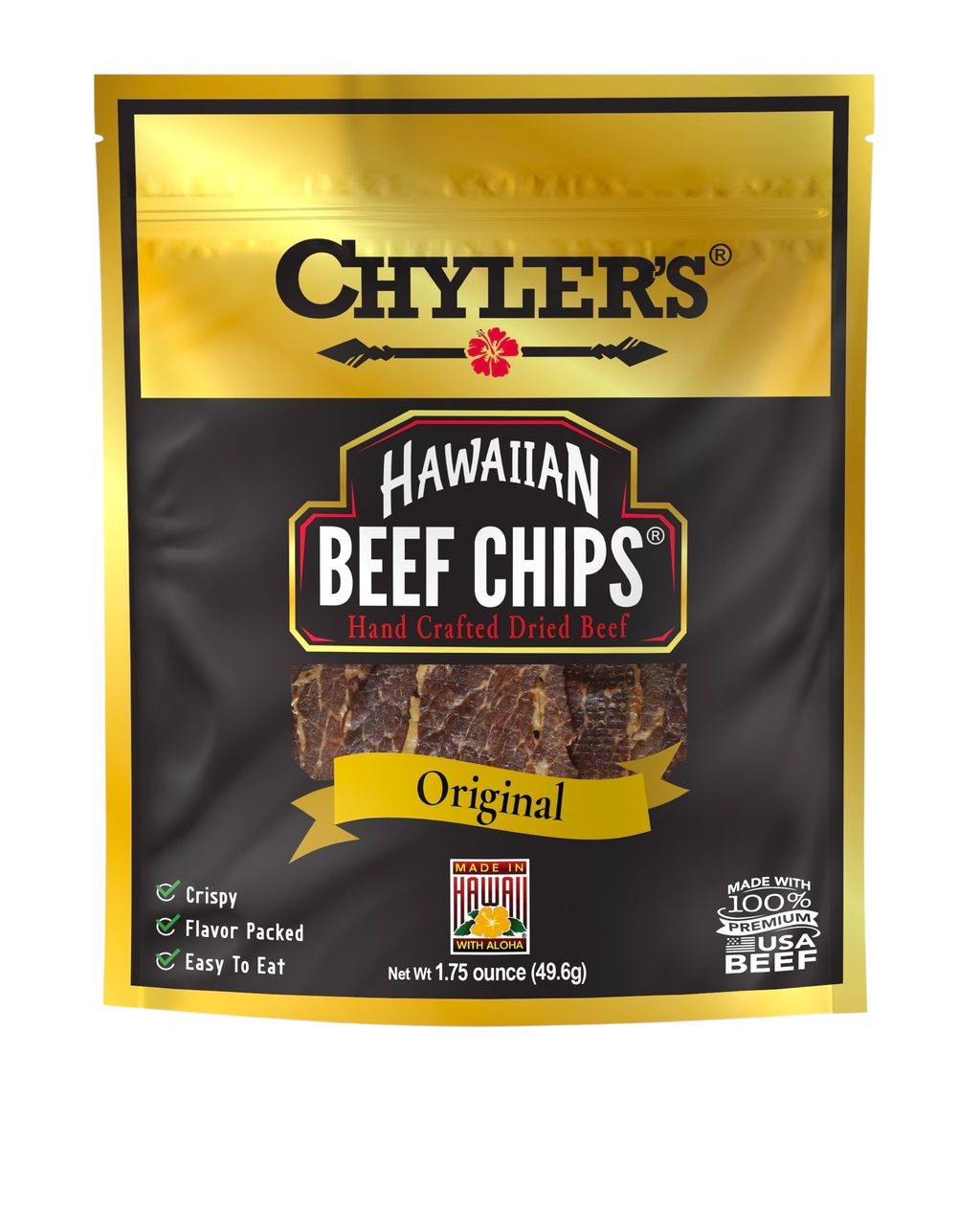
Chyler’s Hawaiian Beef Chips® are made for that contrast: wafer-thin premium US beef, authentic Hawaiian flavor, and a distinctly chip-like crunch that stands apart from ordinary jerky. Original brings classic savory depth, while Cracked Pepper, Spicy, and Roasted Garlic give snackers a bolder lane to choose from.
The next time you hear that clean snap from a beef chip, you are tasting more than dryness. You are tasting precise slicing, disciplined seasoning, controlled drying, and packaging designed to keep humidity out. Keep the bag sealed, keep it cool and dry, and let every handful deliver the crunch it was made for.