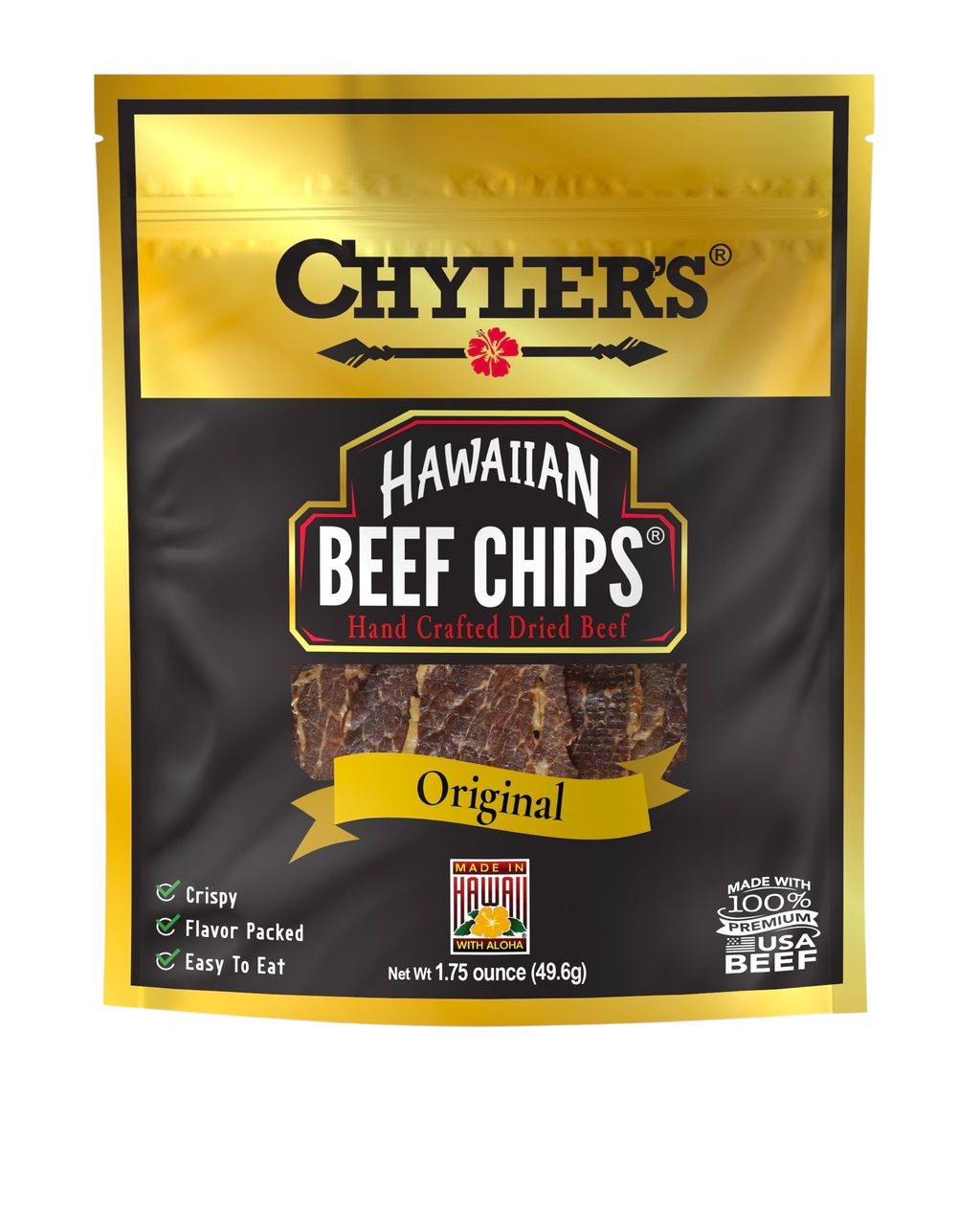


That first bite should snap, not sag. If you love bold, crave-worthy beef snacks, knowing how to store dried beef snacks matters just as much as choosing a great bag in the first place. The right storage keeps the flavor punchy, the texture satisfying, and the beef from drifting into stale, chewy, or oddly soft territory.
Dried beef snacks are built for convenience, but they are not indestructible. Air, moisture, heat, and light all work against freshness. If your snack has a crisp, chip-like texture instead of the tougher pull of old-school jerky, storage becomes even more important because that signature crunch can fade fast once the bag is left open or stored carelessly.
How to store dried beef snacks at home
The best place to store dried beef snacks is a cool, dry pantry away from direct sunlight. A kitchen cabinet works well as long as it is not above the stove, next to the dishwasher, or near a window that heats up during the day. Heat speeds up quality loss, and humidity can mess with texture.
If the package is unopened, keep it in its original sealed bag until you are ready to eat it. That packaging is designed to protect flavor and texture better than a random bowl or loosely folded bag. Once opened, reseal the package tightly right away. If the original bag does not reseal well, move the beef snacks into an airtight container or a zip-top bag with as much excess air pressed out as possible.
For premium dried beef with a lighter, crispier bite, trapped humidity is the enemy. A heavy, moisture-rich environment can turn a clean crunch into something limp. On the other hand, leaving the bag wide open can dry it out too much and dull the flavor. Airtight storage splits the difference and gives you the best shot at keeping the texture close to how it was meant to be enjoyed.
The biggest enemies of freshness
Most storage mistakes come down to four things: air, moisture, heat, and time. Air gradually oxidizes the fats and seasonings, which can flatten the taste and create a stale note. Moisture changes texture first, and that is usually the earliest sign something is off.
Heat is a quiet troublemaker. A snack bag kept in a hot car, on a sunny counter, or in a warm garage may not look damaged, but the quality can drop quickly. Spices lose their edge, oils can start tasting tired, and the texture shifts. Time is the last piece. Even well-stored dried beef snacks are best when eaten within the manufacturers recommended window, especially after opening.
Should you refrigerate dried beef snacks?
Usually, pantry storage is the better move for unopened dried beef snacks, unless the label specifically says refrigeration is required. Refrigerators add moisture every time the container is opened and closed, and that can work against the crisp texture many premium beef snacks aim for.
That said, it depends on your climate and your home. If you live somewhere hot and humid, or your kitchen tends to stay warm, refrigeration can help protect quality after opening, but only if the snack is sealed extremely well in an airtight container. If you go this route, let the container sit closed for a few minutes after removing it from the fridge before opening. That helps reduce condensation forming directly on the snack.
For many people, the fridge solves one problem and creates another. It can slow quality loss in heat, but it may also soften texture if moisture sneaks in. If crispness is a big part of the experience, a cool pantry is often the sweet spot.
Can you freeze them?
Freezing is not the first choice, but it can work for longer storage if you bought extra and want to protect it. The catch is texture. Freezing and thawing can introduce condensation, and condensation is bad news for dried beef snacks that are supposed to stay dry and crunchy.
If you decide to freeze them, keep the bags tightly sealed and place them inside a second freezer-safe bag or airtight container for extra protection. Thaw them in the refrigerator or at room temperature while still sealed. Opening the bag too soon can pull in moisture from the air. Freezing is more useful for preserving shelf life than preserving perfect texture, so use it when needed, not as your everyday plan.
How to store opened dried beef snacks
Once the seal is broken, the clock speeds up. The fastest way to lose flavor is to leave the bag loosely folded on the counter and come back to it over several days. Opened dried beef snacks should be resealed immediately after each snack break, not at the end of the day.
If you snack in small portions, divide the contents into a few smaller airtight containers or snack bags. That way, you are only exposing one portion at a time instead of reopening the full supply again and again. This is especially helpful if you bought multiple flavors and want each one to keep its own bold profile without blending aromas.
A simple rule helps here: open less, seal tighter, finish sooner. That is the easiest formula for keeping premium dried beef tasting like it should.
How to tell if storage has gone wrong
The first sign is usually texture. If a once-crisp beef snack has turned soft, leathery, or oddly sticky, storage conditions may have let in too much moisture. If it has become excessively hard and brittle in a way that feels more stale than crunchy, too much air exposure may be the problem.
Next, trust your nose. Dried beef snacks should smell savory, seasoned, and appetizing. If the aroma seems sour, musty, or flat in a way that feels off, do not gamble on it. Flavor is another clue. A dull or rancid note means the product is past its prime, even if it still looks okay.
Visual changes matter too. Watch for unusual discoloration, visible moisture inside the package, or anything that suggests spoilage. When in doubt, toss it. A premium snack is supposed to deliver bold flavor and clean crunch, not a question mark.
Travel, work, and on-the-go storage
Dried beef snacks are made for movement, but your storage habits still matter when you are out of the house. If you are packing some for work, road trips, hiking, or flights, keep the bag sealed until you are ready to eat it. Avoid leaving it in a hot glove box, in direct sun, or tossed into a beach bag for hours.
A backpack or desk drawer is fine if the area stays cool and dry. For longer outings, carry only what you plan to eat that day. That keeps the rest of your stash protected at home instead of exposing the whole supply to heat, air, and repeated opening.
If you are bringing premium beef snacks as part of a snack spread, do not pour them into an open bowl too far ahead of time. Serve closer to eating time and return leftovers to an airtight container quickly. The same rule applies whether you are at home or sharing with friends - fresh texture disappears faster in open air than most people think.
How packaging affects storage
Not all dried beef snacks behave the same way. Thick, chewy jerky can be a little more forgiving when it comes to texture shifts. Thin, crunchy beef snacks have a narrower freshness window after opening because their appeal is tied so closely to that crisp bite.
That is why packaging matters. A high-quality sealed bag protects against moisture and air better than flimsy repackaging. If the original package includes a resealable closure, use it carefully and press out extra air before sealing. If it does not seal securely after opening, upgrade to a truly airtight container instead of hoping for the best.
This is also where buying from a quality-focused brand pays off. Products made with premium US beef, bold seasoning, and a deliberate process deserve storage that protects all that work. A snack with authentic Hawaiian flavor and a uniquely crave-worthy chip-like crunch should still taste exciting on the last handful, not just the first.
A few smart habits that make a real difference
Buy the pack size that matches how fast you actually snack. Bigger is not always better if the bag sits half-open for a week. Store backup bags in a stable pantry, keep opened bags sealed tight, and do not mix fresh product with older leftovers.
If your home runs humid, consider using a dedicated airtight container for opened bags. If you are taking some on the go, pack a single serving instead of carrying the full bag around all day. Small habits like these keep the flavor stronger and the texture closer to ideal without much effort.
When dried beef snacks are stored well, every bite stays closer to what you paid for - rich beef flavor, clean seasoning, and the satisfying crunch that makes reaching for one more piece feel automatic.