

You can tell a lot about dried beef before the first bite. If it looks dusty, chews like cardboard, or promises flavor but delivers salt and little else, it is probably not worth your money. A real guide to buying dried beef starts with the part most brands gloss over - how it actually eats. Texture, cut, seasoning, and finish matter just as much as protein on the label.
For snack lovers who are tired of tough jerky and one-note meat sticks, dried beef can be a better pick - if you know what to look for. The best versions bring together premium beef, bold seasoning, and a texture that keeps you reaching for another piece. That is where the difference between ordinary dried meat and a crave-worthy specialty snack becomes obvious.
What a guide to buying dried beef should actually cover
A lot of shoppers buy dried beef the same way they buy chips - by flavor first. That makes sense, but it only gets you halfway there. Dried beef is one of those categories where the eating experience depends on several small decisions the maker has already made for you, from slicing thickness to marinade balance to how aggressively the beef is dried.
If you want something snackable, not punishing, start by looking at format. Some dried beef is thick, leathery, and built for long chewing. Some is sliced thinner for a lighter bite. Some products blur the line with jerky, while others are intentionally crafted for more crunch and cleaner snap. None of these formats are automatically wrong. It depends on what you want. If your ideal snack is slow-chew and smoky, a traditional jerky style may suit you. If you want a more satisfying crisp bite with bigger flavor payoff, thinner dried beef can be a stronger choice.
Texture is not a small detail
Most people focus on flavor names first, but texture is what decides whether you buy again. Good dried beef should feel intentional. If it is tender, it should be evenly tender. If it is crisp, it should deliver that crunch consistently rather than shattering into dry flakes.
This is where many mass-market products miss. They aim for shelf stability but end up too hard, too dry, or oddly sticky. When that happens, seasoning cannot save it. A bold marinade helps, but if the bite feels like work, the snack stops being fun.
Look for descriptions that tell you what kind of bite to expect. Words like wafer-thin, crisp, chip-like, or slow-chew are useful because they set expectations. That matters when you are deciding between classic jerky and a premium dried beef snack with a lighter, more addictive crunch.
Flavor should taste built in, not sprayed on
The best dried beef does not just have seasoning on the surface. It tastes seasoned all the way through. That usually points to a marinade process rather than a last-minute dusting of spices.
When you read flavor descriptions, pay attention to whether the brand talks about beef and seasoning together or treats them like separate things. A strong product will let the beef taste like beef while layering in garlic, pepper, heat, smoke, or regional flavor notes that feel balanced instead of overpowering.
There is a trade-off here. Some shoppers want pure salt-and-smoke simplicity. Others want bold, savory character that stands out from standard jerky. Neither preference is wrong. But if you are paying premium prices, the flavor should feel deliberate and distinctive, not generic.
Authentic regional inspiration can also make a big difference. Hawaiian-style flavor profiles, for example, often bring a more expressive mix of savory, sweet, and spice-forward notes than conventional dried meat. When done right, that gives dried beef a lot more personality.
Ingredients tell you more than the front label
Premium dried beef usually starts with a short, understandable ingredient list and clear sourcing language. If a brand highlights premium US beef, that is a useful signal. It suggests the product is built around the meat itself rather than trying to hide weak quality under aggressive seasoning.
That said, short ingredient lists are not the whole story. A longer list does not always mean worse quality if the product uses a more layered marinade or spice blend. What matters is whether the ingredients sound like food and whether the final result tastes clean, rich, and balanced.
You should also think about what kind of snack experience you want from the ingredients. Some dried beef products lean sweet. Some push black pepper or chili heat. Some focus on garlic, smoke, or a savory umami finish. If you know what you usually reach for in chips, nuts, or jerky, that is a smart clue for choosing dried beef flavors too.
Thickness changes everything
One of the biggest buying mistakes is assuming all dried beef eats the same. Thickness affects flavor intensity, crunch, chew, and even how salty a product seems.
Thicker pieces often feel meatier and slower to eat. That can be great for people who want a heavier, more traditional jerky-style snack. Thinner slices usually deliver a faster bite, more surface area for seasoning, and a sharper texture. That style can feel more snackable and less like a workout for your jaw.
If you are shopping for road trips, office snacking, or something you can casually share, thin-sliced dried beef often wins because it is easier to eat piece after piece. It feels less like rationed trail food and more like a premium savory snack.
Price matters, but value matters more
Dried beef can get expensive quickly, especially in specialty formats. The cheapest option is rarely the one people rave about, but price alone does not guarantee quality either.
The better question is what you are paying for. Are you getting premium beef, a distinctive process, and a texture that truly sets the product apart? Or are you paying extra for branding while the snack still tastes flat and chews like every other bag on the shelf?
This is where handcrafted products often stand out. Smaller-batch dried beef tends to show more attention to slicing, marinating, and finishing. You can usually taste the difference. A product with bold flavor and a uniquely crave-worthy crunch may cost more per ounce, but it can also feel more satisfying than a larger bag of bland jerky you stop wanting halfway through.
How to compare dried beef before you buy
If you are standing in a store or browsing online, keep your comparison simple. Start with the cut and texture description. Then check flavor variety. Then scan the ingredient list and sourcing. After that, ask whether the brand gives you a clear reason this product is different.
That last part matters. “High protein” is not enough. Nearly every dried meat snack can say that. What you want is a product with a point of view. Maybe it is authentic Hawaiian flavors. Maybe it is a chip-like crunch instead of a leathery chew. Maybe it is a carefully built spice blend that tastes fuller and more satisfying than standard jerky.
A strong brand should make that difference easy to understand. If the product description feels vague, the snack may be too.
When dried beef is better than jerky
Jerky still has its place, but a lot of shoppers stay loyal out of habit. If you have ever wanted jerky to be less tough, less messy, or more flavorful, dried beef in a thinner, crispier format can be the upgrade.
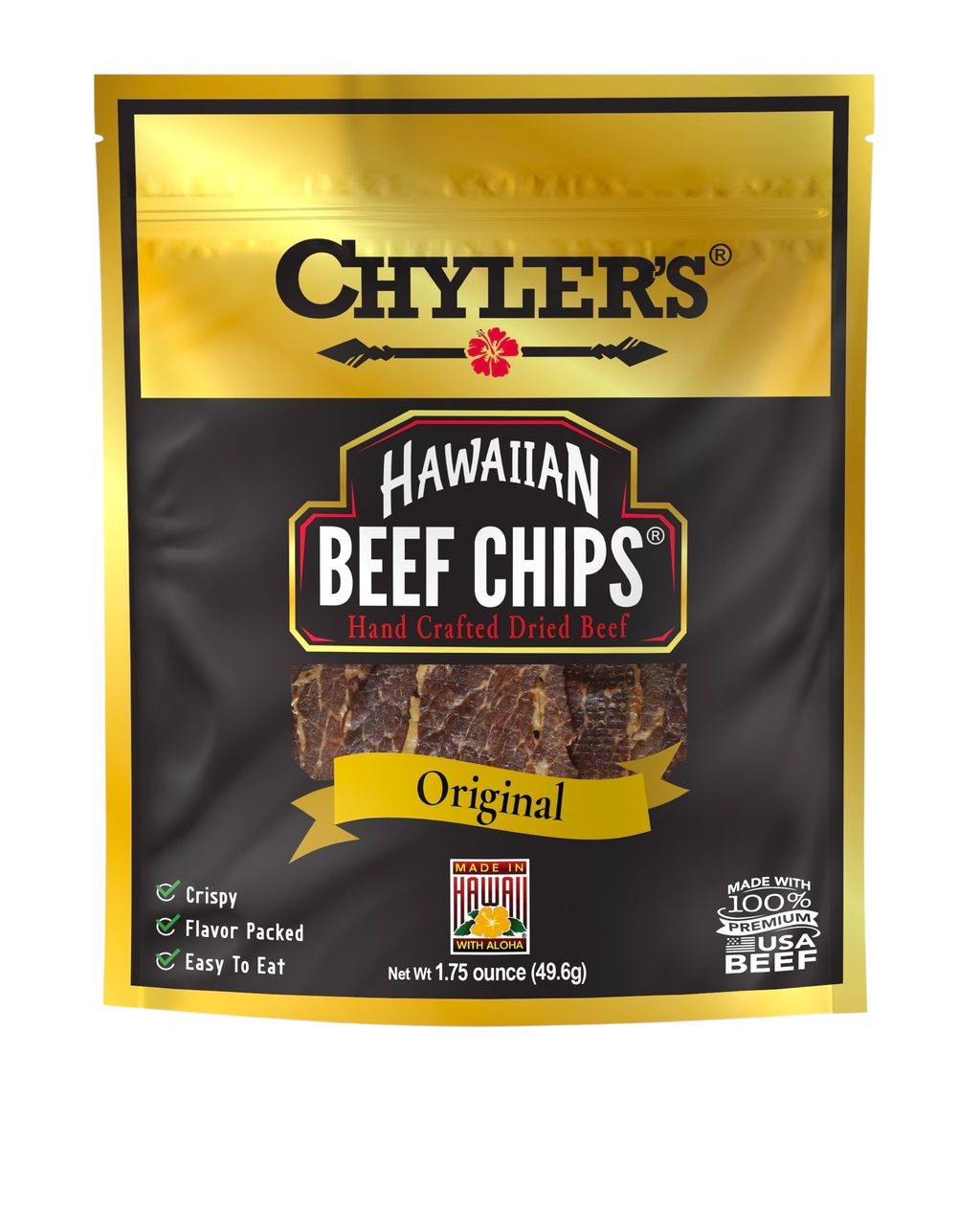
This is especially true for people who want something that feels premium and snack-forward rather than rugged for the sake of being rugged. A good dried beef product can give you the savory hit you want with a cleaner bite and more memorable finish. Chyler’s Hawaiian Beef Chips is a strong example of that shift, turning premium US beef and authentic Hawaiian flavors into something with real crunch instead of the usual hard chew.
A smart guide to buying dried beef ends with your preferences
The best dried beef for one person may be wrong for another. Some want heat. Some want garlic. Some want pure beef flavor with a little cracked pepper. Some want a bold, crispy snack that breaks away from every jerky bag they have tried before.
The smart move is to shop with your taste and texture preferences in mind, not just the package claims. When you find dried beef that combines premium ingredients, real flavor depth, and a bite you actually enjoy, the whole category opens up. That is when dried beef stops being a backup protein snack and becomes the one you look forward to opening.