
You can tell when a meat snack was made to fill a shelf versus made to be craved. The difference shows up fast - in the aroma when you open the bag, in the first hit of seasoning, and especially in the texture. That is why small batch meat snacks stand out. They are built for flavor, texture, and a more memorable bite, not just long runs and broad sameness.
For anyone who has chewed through one too many dry, tough, forgettable strips, this category feels like a real upgrade. Small batch production gives makers more control over the details that matter most: the cut, the marinade, the seasoning balance, the drying process, and the final crunch or chew. When those details are handled with care, the result is a snack that tastes premium because it actually is.
What small batch meat snacks really mean
Small batch does not just mean "artisan" on a label. At its best, it means the product is made in tighter production runs with closer attention to consistency, flavor development, and finish. That usually allows for better quality control from start to finish.
In meat snacks, that matters more than most people realize. Protein snacks are unforgiving. If the beef is sliced too thick, the texture can turn hard or uneven. If the marinade is rushed, the flavor sits on the surface instead of working into the meat. If the drying process is too aggressive, the snack can lose the very thing people want most - satisfaction.
Small batch production creates room for a more deliberate process. Not every brand uses that advantage well, but when they do, the payoff is obvious. You get better bite, stronger seasoning definition, and a texture that feels intentional instead of accidental.
Why small batch meat snacks hit harder on flavor
Flavor is where small batch products often separate themselves first. Larger-scale snacks are usually built around efficiency and broad appeal. That can lead to flatter seasoning, safer profiles, or a salt-heavy approach that covers up weak flavor depth.
Small batch makers have more freedom to push flavor further. They can build more distinctive marinades, use spice blends with more character, and fine-tune batches when needed. That does not automatically mean every bite will be louder or hotter. It means the flavor has a better chance of tasting complete.
A good meat snack should not just taste salty, smoky, or spicy. It should have layers. You want the savory richness of the beef, the seasoning up front, and a finish that lingers in a good way. That could mean black pepper that actually pops, garlic that tastes roasted instead of powdered, or heat that builds without flattening everything else.
This is where regional flavor identity can become a real advantage. Authentic Hawaiian flavors, for example, bring a different kind of depth to beef. There is often a balance of savory, sweet, spice, and roast that feels more vivid than standard gas-station jerky formulas. When that flavor is paired with careful production, the snack becomes more than convenient protein. It becomes something you actually look forward to.
Texture is the make-or-break factor
Plenty of shoppers think they want bold flavor first. Then they bite into a piece that is too leathery, too brittle, or too dry, and flavor stops mattering. Texture is what decides whether a meat snack feels premium.
This is one of the strongest cases for small batch meat snacks. Better production control usually means a more consistent finish. Depending on the style, that could be tender, chewy, crisp, or chip-like. What matters is that the texture feels designed.
That last point is important. Not every great meat snack should mimic traditional jerky. Some people are tired of wrestling with thick, stubborn strips that feel more like a challenge than a snack. A thinner cut with a crisp finish can deliver a completely different experience - lighter, crunchier, and easier to keep reaching for.
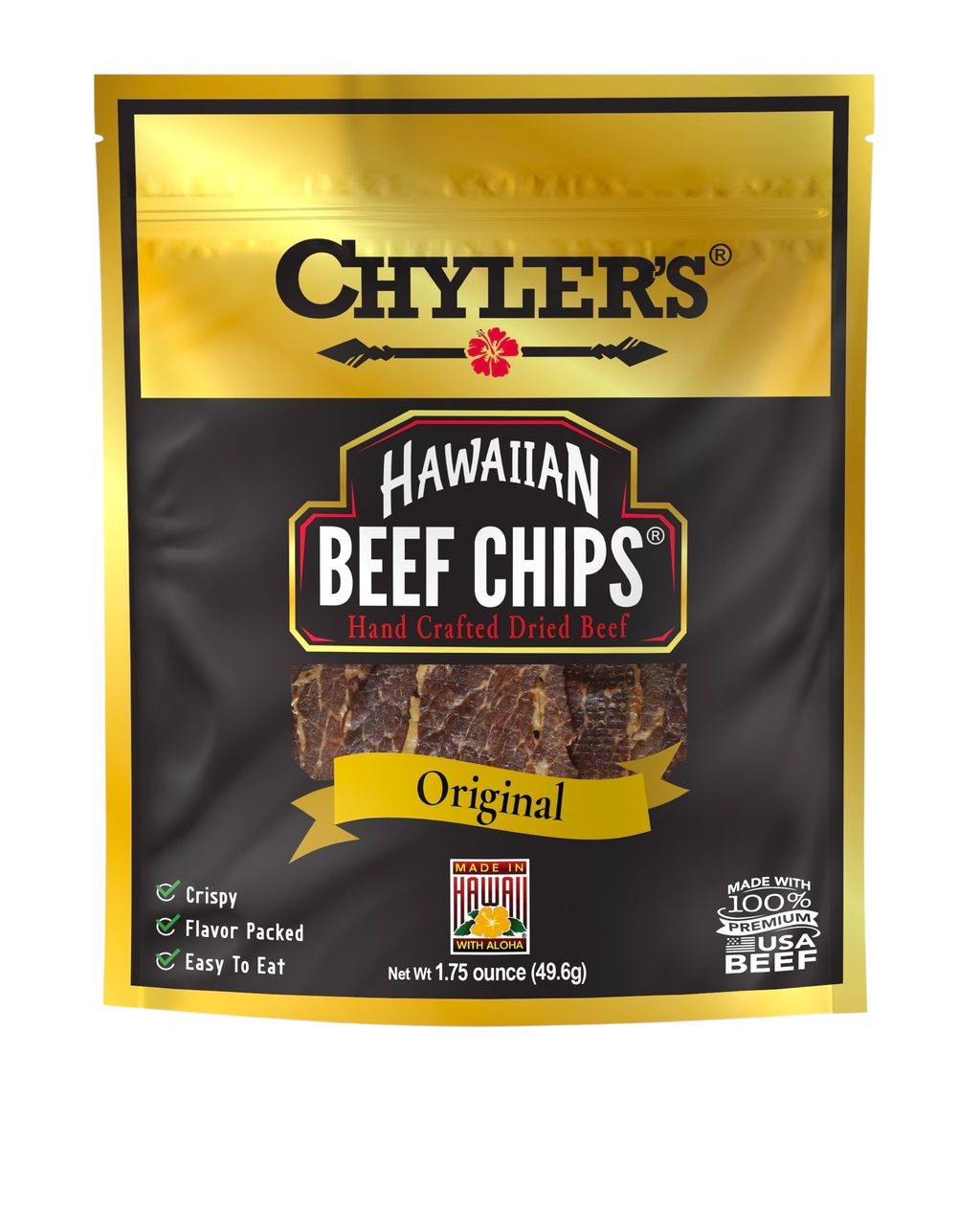
That is part of what makes Hawaiian Beef Chips such a distinctive lane within the category. Wafer-thin slices of premium US beef, a bold marinade, and a chip-like crunch offer something standard jerky rarely does: a clean, satisfying snap with serious flavor payoff. It still delivers the savory depth meat snack fans want, but the texture changes the whole experience.
Craft matters, but so does restraint
There is a trap in specialty food marketing where "handcrafted" gets treated like proof of quality all by itself. It is not. Small batch can produce better snacks, but only when the process is dialed in.
A premium meat snack needs balance. Too much marinade and the flavor can feel muddy. Too little and the product tastes bland. Too much drying and the meat loses appeal. Too little and shelf stability can become a concern. The best makers know where to push and where to hold back.
That is why process matters almost as much as ingredients. A thoughtful, multi-step method tends to create more distinctive results than a one-note formula. You can taste when a product has been carefully marinated, properly seasoned, and finished for a specific texture instead of forced through a generic system.
For shoppers, the takeaway is simple: small batch is not the whole story, but it is often a sign to look closer. When the maker clearly cares about texture, flavor definition, and how the product actually eats, that usually shows up in the bag.
How to shop for better small batch meat snacks
If you are trying to move past bland, tough, mass-market options, it helps to know what to look for. Start with the cut and style. Thick does not always mean premium, and thin does not always mean light on flavor. The best choice depends on what kind of bite you enjoy.
Then look at how the brand describes texture. If the product promises crunch, crispness, or a lighter bite, that is a different eating experience from classic chewy jerky. Neither is automatically better. It depends on whether you want a slow chew or a more snackable, chip-like finish.
Flavor naming also tells you a lot. Generic labels can be fine, but more specific descriptions usually suggest more confidence in the seasoning profile. Original, Cracked Pepper, Spicy, and Roasted Garlic each signal a clear direction. That matters when you want a snack that tastes distinct instead of interchangeable.
Finally, pay attention to whether the brand seems built around the product itself or just the category buzzwords. The strongest premium brands talk about what makes their meat snack different in real sensory terms - the beef, the marinade, the texture, the crunch, the finish. That is much more useful than vague claims about quality.
Where small batch meat snacks fit into real life
One reason this category keeps growing is that it solves more than one problem at once. It is portable, protein-forward, and satisfying enough to replace weaker snack options. But the best products do something else too: they feel like a treat.
That matters. Most people are not looking for a joyless snack with nutrition as its only selling point. They want something that works on the go, at work, on the road, after the gym, or during an afternoon slump, while still tasting like they chose it on purpose.
Small batch meat snacks fit that role especially well because they bring more personality to the experience. A well-made bag can feel more like a specialty food than a backup snack. That is a big part of the appeal for people who want more than standard jerky but still want the convenience of a shelf-stable protein snack.
For shoppers who want big flavor, premium beef, and a crunch that breaks from the usual jerky routine, brands like Chyler's show exactly how good this category can get. When craftsmanship and flavor lead the process, the difference is not subtle.
The next time you reach for a meat snack, pay attention to more than the protein count. Go for the one that sounds crave-worthy, tastes intentional, and leaves you wanting another piece instead of another drink of water.