

A great beef chip does not start with a mystery grind or a thick, chewy slab. It starts with the right piece of beef: lean enough to dry cleanly, structured enough to slice wafer-thin, and flavorful enough to stand up to a bold Hawaiian-style marinade.
So, what beef cut is used for a crisp beef snack? The short answer is usually a lean, whole-muscle cut from the round or sirloin area. The better answer is that the cut has to work with the entire process - slicing, marinating, drying, seasoning, and creating that satisfying chip-like crunch.
What Beef Cut Is Used for Beef Chips?
For beef chips and many premium dried-beef snacks, producers commonly use lean cuts such as top round, bottom round, eye of round, or sirloin tip. These cuts are not chosen because they are the most tender steaks on the grill. They are chosen because they are dependable, meaty, low in excess fat, and built for thin slicing.
Round cuts come from the rear leg of the animal, which means they get plenty of use. That gives them a firmer grain and a naturally lean profile. When sliced properly and prepared with care, that structure becomes an advantage. The beef holds together through marination and drying rather than turning greasy, crumbly, or tough in the wrong way.
Sirloin tip is another strong candidate. Despite its name, it comes from the round area, not the premium sirloin steak section. It is lean, beefy, and versatile, with a texture that can perform beautifully in thin-cut snacks.
The exact cut can vary by producer, availability, trimming standards, and the texture they want in the finished bite. But one principle stays consistent: high-quality beef chips begin with whole-muscle beef that is lean and carefully trimmed.
Why Lean Beef Makes a Better Crunch
Fat is delicious in a hot steak. It is not always an advantage in a dried snack.
During drying, fat does not lose moisture the same way lean muscle does. Too much of it can interfere with the clean, crisp texture people expect from a beef chip. It can also make the snack feel oily instead of light and crunchy. Lean beef creates a more consistent result: bold flavor, clean snap, and an easier-to-enjoy finish.
That is why highly marbled cuts such as ribeye are rarely the first choice for dried beef chips. Ribeye brings rich steakhouse flavor, but its generous fat content makes it less practical for a shelf-stable, ultra-thin product. Brisket has a similar challenge. It can be incredible when smoked low and slow, yet it contains enough fat and connective tissue to make crisp drying less predictable.
A lean cut does not mean a bland cut. It means the beef is a better canvas for seasoning and marinade. When the meat is sliced thin, every surface picks up flavor. Salty, savory, peppery, garlicky, or spicy notes have nowhere to hide.
The Grain Matters as Much as the Cut
The direction of the slice changes the eating experience. Cutting across the grain shortens the muscle fibers, which can make a dried beef snack easier to bite. Cutting with the grain creates longer fibers and a more traditional jerky-style pull.
For a chip-like product, thinness is the headline. A wafer-thin slice dries faster and develops a different texture than a thick strip of jerky. Instead of requiring a long chew, it delivers a crisp bite that breaks cleanly and lets the seasoning hit immediately.
That is the difference between simply dried beef and a snack made to crunch.
The Cut Is Only the First Decision
Anyone can start with lean beef. The standout flavor comes from what happens next.
First, the beef needs careful trimming. Even a naturally lean cut may have exterior fat, silver skin, or uneven edges that need to be removed. This extra attention helps the slices dry at a more even rate and creates a cleaner finished texture.
Then comes slicing. For beef chips, consistency matters. If one piece is much thicker than another, the batch can deliver mixed results: one slice may be perfectly crisp while another stays too chewy. Precise thin slicing helps each piece absorb marinade and dry with the same crave-worthy crunch.
Marination is where a straightforward lean cut becomes something far more memorable. A well-built marinade does more than add salt. It layers savory depth, aromatics, sweetness, heat, and the distinct flavors that make you reach back into the bag. The beef still needs to taste like beef, but it should carry the seasoning in every bite.
Finally, the drying and finishing process determines whether the snack lands as jerky, brittle, or a true beef chip. Too little drying can leave it soft. Too much can make it harsh and overly hard. The target is a crisp texture that feels satisfying, never punishing.
Why Whole-Muscle Beef Beats a Ground-Meat Shortcut
Some meat snacks are made from ground or chopped beef that is formed into strips. That approach can create a uniform shape, but it delivers a different bite than a thin slice of whole muscle.
Whole-muscle beef has visible grain, natural variation, and a more recognizable beef texture. When it is sliced thin and dried with precision, the result feels closer to a real cut of beef - because it is. You get the satisfying character of meat, not a processed strip designed to imitate it.
For snack fans tired of dense, overly chewy jerky, that distinction is a big deal. A crisp whole-muscle beef chip brings the savory satisfaction of beef without asking your jaw to do all the work.
What to Look for in a Premium Beef Snack
The label may not always name the exact primal cut, and that is not automatically a red flag. Many producers make sourcing decisions based on the quality and consistency of available beef. What matters most is whether the product clearly delivers on the qualities that the right cut should provide.
Look for a snack made from US beef, with a lean whole-muscle texture and a visibly thin slice. The pieces should taste seasoned all the way through, not dusted with flavor only on the surface. They should feel crisp and substantial, rather than greasy, rubbery, or powdery.
Flavor should also have a point of view. Plain dried meat can be convenient, but a premium snack earns its place with a real flavor payoff. Cracked pepper should bring a peppery punch. Roasted garlic should taste warm and savory. Spicy should build heat without wiping out the beef. Original should prove that simple can still be seriously satisfying.
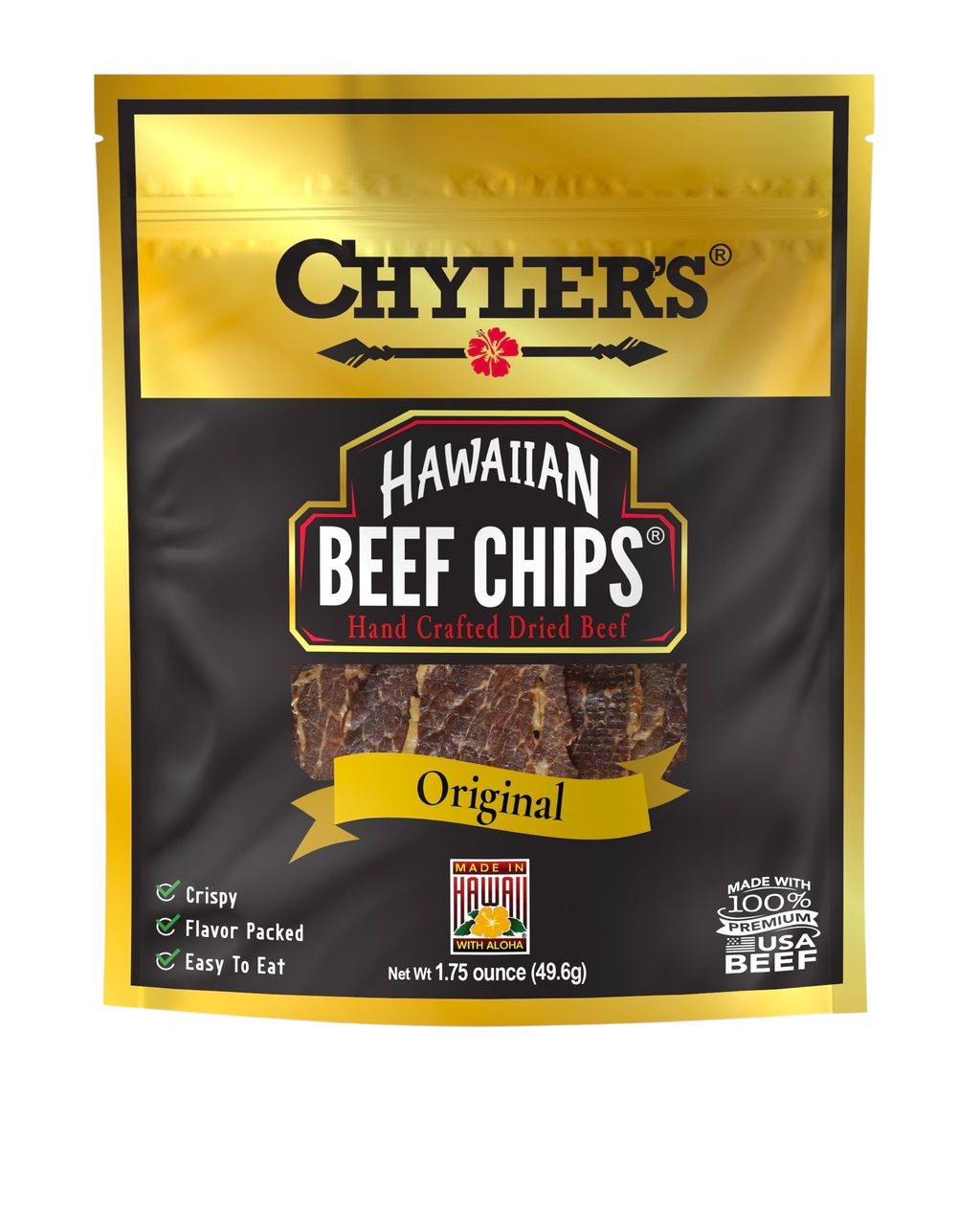
That is the standard behind Hawaiian Beef Chips® from Chyler’s: premium US beef, authentic Hawaiian flavors, and a uniquely crave-worthy chip-like crunch. The goal is not to make conventional jerky thinner. It is to create a different kind of beef snack altogether.
Does the “Best” Cut Depend on the Snack?
Absolutely. If you want tender steak bites, a more marbled cut may be exactly right. If you want classic, chewy jerky, a thicker slice of round can work well. If you want a crisp, wafer-thin beef chip, lean whole-muscle cuts are usually the smart choice.
There is no single beef cut that wins every application. The best cut is the one that matches the final texture, flavor, and eating experience. For crunchy beef snacks, that means a lean cut with enough structure to slice thin, absorb big flavor, and finish with a clean snap.
The next time you open a bag of beef chips, pay attention to the bite. That crisp break, rich beef flavor, and punch of seasoning are not an accident. They are what happens when the cut, the slice, and the craft all pull in the same direction.