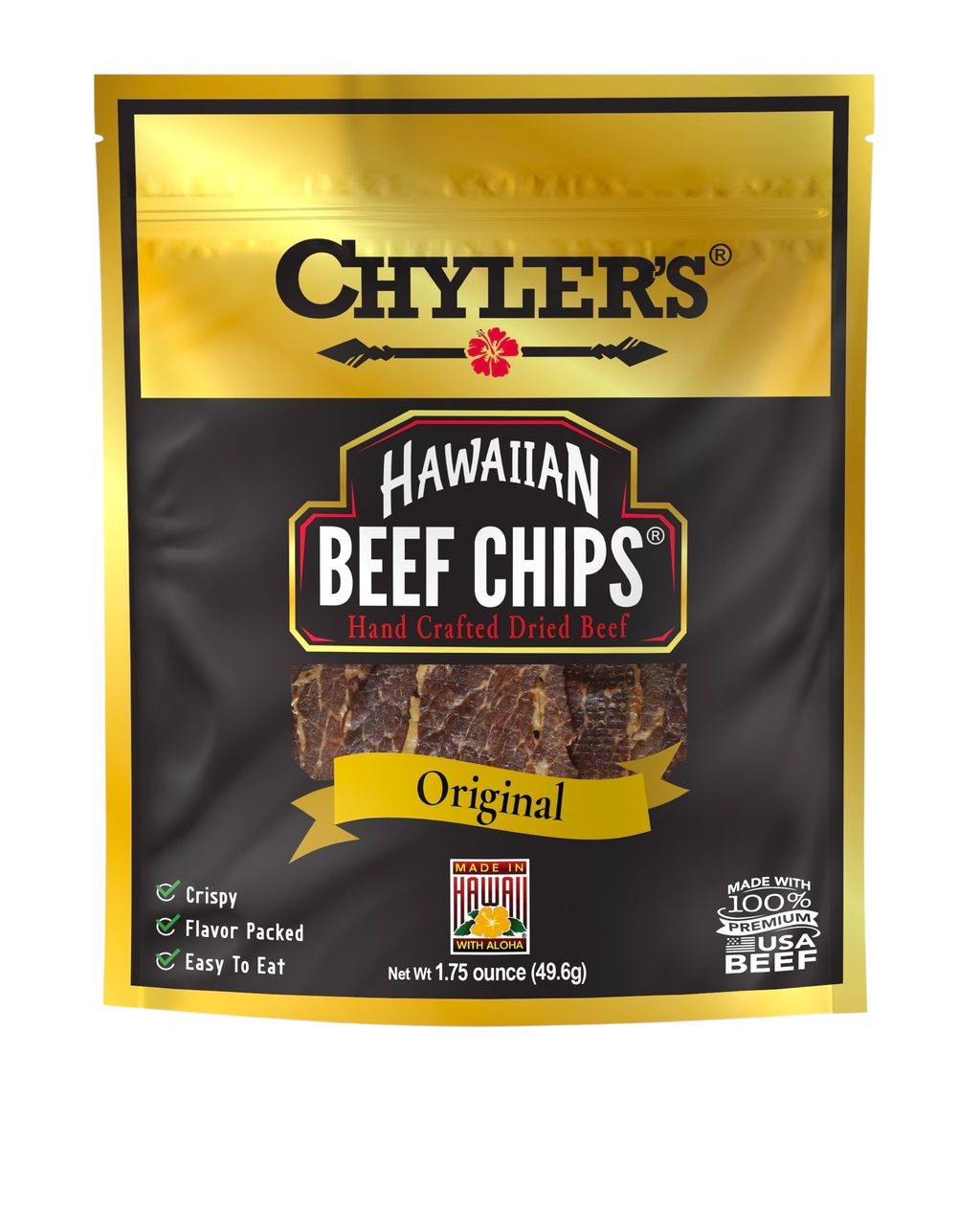


One bite tells you this is not standard jerky. If you’ve ever wondered how beef chips are made, the short answer is simple: premium beef is sliced thin, seasoned with bold flavor, then carefully dried until it hits that sweet spot between savory chew and crisp, chip-like crunch.
That sounds straightforward, but great beef chips are all about precision. Thickness matters. Marinade matters. Drying time matters. Push any one of those too far and you end up with something tough, brittle, bland, or greasy. Done right, beef chips deliver concentrated beef flavor, a lighter bite than traditional jerky, and a texture that keeps you reaching back into the bag.
How beef chips are made step by step
The process starts with the cut of beef. Lean, high-quality beef is the foundation because excess fat can interfere with drying and shorten shelf life. Beef chips need a clean, meaty bite, so producers typically choose cuts that can be trimmed well and sliced consistently.
Once the beef is selected, it’s trimmed and prepared for slicing. This part is more important than it sounds. Uneven trimming creates uneven drying, and that changes both texture and flavor from piece to piece. A premium product should feel consistent, whether you grab the first chip in the bag or the last.
Next comes slicing, and this is where beef chips separate themselves from jerky in a big way. Traditional jerky is usually cut into thicker strips designed for a chewy bite. Beef chips are sliced much thinner, often wafer-thin, which is what helps create that lighter, crispier texture. Thin slicing also changes how the seasoning lands. Instead of flavor sitting mostly on the surface, the marinade and spices can work through more of each piece.
After slicing, the beef goes into the marinade. This is where the personality of the product really shows up. A good marinade does more than add salt and sweetness. It builds depth, balances savory notes, and gives the finished chip a flavor payoff that lasts after the crunch. Depending on the recipe, that can mean soy-based savory notes, pepper heat, garlic richness, a touch of sweetness, or a regional flavor profile that gives the product its signature identity.
For Hawaiian-style beef chips, the marinade is especially important. The goal is bold, authentic flavor that complements the beef instead of covering it up. When the seasoning is dialed in, you taste the meat first, then the layers of spice, salt, smoke, heat, or garlic that make each variety distinct.
The marinating stage is where flavor gets serious
Marinating is not just a quick coating step. The beef needs time to absorb flavor, and the exact timing changes the final result. Too little time and the chips can taste flat. Too much time and softer notes may get buried under salt or spice. That balance is one of the biggest reasons all beef chips do not taste the same.
This stage also affects texture. Marinades can influence how the beef dries, how tender it stays, and how the edges crisp up. It depends on the recipe. Some formulas are built for a more delicate crunch. Others create a heartier bite that still snaps cleaner than jerky.
That is why handcrafted production matters. Beef chips are not just dried meat cut thinner. They need a process designed specifically for this style of snack. A chip-like crunch without sacrificing beef flavor takes more than lowering the thickness and hoping for the best.
Drying is what creates the chip-like crunch
Once the beef is fully seasoned, it moves into the drying stage. This is the make-or-break moment. Drying removes moisture, concentrates flavor, and transforms the texture from raw marinated beef into a shelf-stable snack.
The key is controlled dehydration. Heat, airflow, and time all have to be managed carefully. If the temperature runs too hot, the outside can harden too quickly while the inside dries unevenly. If the process is too slow or inconsistent, the chips may stay leathery instead of crisp. The goal is a texture that feels light and satisfying, not tough or overly brittle.
This is also where the difference between beef chips and crispy jerky becomes clearer. Some products marketed as crispy jerky are still relatively thick and chewy. True beef chips lean into a thinner cut and a more deliberate drying process to deliver a distinct crunch. That crunch is a big part of the appeal. It gives you the protein and savory satisfaction of dried beef with the snackability of a chip.
Why thickness changes everything
If there is one detail that shapes the final product more than people expect, it is thickness. Thin slices dry faster, take on seasoning differently, and create a very different eating experience than thicker jerky strips.
Thin-cut beef can feel more flavorful because every bite has more surface area exposed to seasoning. It can also feel easier to eat. You are not wrestling with a strip or tearing off pieces. Instead, you get a clean bite, a quick crunch, and a richer burst of flavor. For snackers who like meat snacks but are tired of hard, dense jerky, that difference is a major upgrade.
There is a trade-off, though. Thinner pieces leave less room for error. Small shifts in slicing or drying can have a bigger impact. That is why premium beef chips depend on a meticulous process from start to finish.
Seasoning finishes the experience
After drying, some beef chips may go through a final seasoning step, depending on the style. This can sharpen pepper notes, add roasted garlic character, or build a spicier finish that hits after the initial crunch. The idea is not to overload the chip. It is to create a flavor profile that feels bold, balanced, and distinctly crave-worthy.
This is where variety matters. Original should taste rich, savory, and clean. Cracked pepper should bring noticeable bite without overpowering the beef. Spicy should build heat that keeps the flavor exciting. Roasted garlic should add depth and warmth, not a harsh raw garlic edge. When each variety keeps the beef at the center, the seasoning does its job.
What makes beef chips different from jerky
People often ask whether beef chips are just another form of jerky. Technically, both are dried beef snacks. But from a snacking perspective, they are built for different experiences.
Jerky is usually thicker, denser, and chewier. That works for people who want a slow-eating meat snack. Beef chips are made for a lighter, crisper bite and more immediate flavor impact. They feel more snackable, more shareable, and often more approachable for people who find traditional jerky too tough or too dry.
That difference is exactly why premium brands invest in a more specialized process. You are not just making dried beef. You are creating a texture-and-flavor combination that has to land in a very specific way.
How quality shows up in the final bag
When beef chips are made well, you can see it before the first bite. The slices look uniform. The seasoning looks intentional, not dusty or patchy. The aroma is rich and savory. And the texture delivers what the packaging promises.
You can taste quality, too. Premium US beef gives the product a better foundation. A carefully built marinade adds depth instead of one-note saltiness. Controlled drying creates crunch without making the chips feel burnt or fragile. Every part of the process shows up in the final handful.
That is part of what makes Hawaiian Beef Chips such a standout snack. With wafer-thin cuts, bold authentic Hawaiian flavors, and a uniquely crave-worthy crunch, this style offers a clear alternative to standard jerky. It is still protein-forward and portable, but the eating experience is sharper, lighter, and a lot more exciting.
Why the process matters to snack lovers
Understanding how beef chips are made helps explain why some bags disappear fast and others sit half-finished in the pantry. It comes down to craftsmanship. Better slicing, better marinating, and better drying create a snack that feels premium from the first bite to the last.
If you want a meat snack with more crunch, stronger flavor, and none of the overly hard chew that turns people off jerky, beef chips hit a different lane. The process is more exacting, but that is the whole point. Great beef chips are built to deliver bold flavor fast, with a texture that keeps snack time interesting.
The next time you open a bag, pay attention to what you are tasting. The crunch, the seasoning, the clean finish, and the satisfying beef flavor did not happen by accident. They are the result of a careful process designed to make every bite worth another.