
The first bite tells you more than the label ever can. A great savory snack should not just taste seasoned - it should crack, crunch, or chew in a way that makes you reach back into the bag. This guide to savory snack textures breaks down what your bite is really telling you, from delicate crispness to serious chew, so choosing a premium protein snack feels a lot less hit-or-miss.
Texture is not a side detail. It changes how flavor arrives, how satisfying a snack feels, and whether a handful turns into a habit. For dried beef especially, the difference between a tough strip and a chip-like crunch can be the difference between work and a craving.
Why savory snack texture matters
Flavor gets attention first, but texture sets the pace of the eating experience. A crisp snack gives immediate feedback. It breaks cleanly, releases seasoning quickly, and keeps each bite lively. A chewy snack takes longer, which can be satisfying when the meat is tender and well-marinated, but frustrating when it is dry, stringy, or stubbornly hard.
That is why two snacks with similar ingredients can feel completely different. Thickness, moisture level, cut of meat, cooking method, and seasoning all affect what happens between your teeth. The best choice depends on what you want from the moment: a slow, substantial chew for a road trip or a light, crunchy protein snack when potato chips sound good but you want something with more character.
Texture also affects perceived flavor. When a snack is wafer-thin and crisp, more surface area meets your palate quickly. Salt, pepper, garlic, smoke, and spice arrive early. A thicker, denser bite can hold flavor longer, but it may need more chewing before the seasoning and beef fully open up.
A guide to savory snack textures: know your bite
Savory snacks are often described with broad words like crunchy or chewy, but those labels leave out the details that matter. Here is what to look for when you want a snack that delivers exactly the kind of bite you are after.
Crisp: light, clean, and fast
Crispness is a clean break with little resistance. Think of a fresh cracker or a thin fried chip. In a meat snack, crispness is harder to achieve because beef naturally has fibers, moisture, and fat to manage. When it works, though, it creates an unexpectedly snackable experience: bold beef flavor with a lighter feel than a thick strip of jerky.
Crisp snacks are a strong match for people who like frequent, quick bites. They work well with cold drinks, beer, and sparkling water because the crunch stays distinct instead of becoming heavy. The trade-off is that ultra-crisp products can feel fragile, so a good one needs enough structure to survive the bag without turning into dust.
Crunchy: louder and more satisfying
Crunch has more force than crispness. It is audible, assertive, and usually comes with a firmer structure. A crunchy savory snack offers that familiar chip satisfaction, but the source of the crunch matters. A starch-based chip may shatter instantly; a thin beef chip can crack while still delivering rich, savory depth.
For meat snack fans, crunch solves a common complaint about traditional jerky: too much effort for too little payoff. Nobody wants to tug at a piece of dried meat for several minutes. A chip-like crunch lets premium US beef feel immediate, fun, and easy to share.
Chewy: substantial when it is done right
Chew is not the enemy. A satisfying chew signals substance and can make a protein snack feel filling. The problem begins when chew turns rubbery, leathery, or fibrous. That usually means the product is too thick, too dry, or not tenderized by a marinade that brings flavor deeper into the meat.
Good chew has some give. It softens as you eat, keeps its beefy character, and never feels like a test of your jaw. If you prefer a snack that lasts through a long drive, a hike, or a busy afternoon, a tender chew may be your move. If you want the familiar satisfaction of chips with a bigger flavor payoff, reach for a thinner, crunchier format.
Tender: soft without being soggy
Tenderness means the snack yields easily. It can be welcome in moist meat snacks, especially when sweet, smoky, or spicy marinades need time to linger. But tenderness has a narrow sweet spot. Too much moisture can make a product feel limp, greasy, or overly soft, while too little leaves it dry.
The ideal tender snack still has definition. You should be able to feel the meat, taste the seasoning, and enjoy a clean finish rather than a paste-like bite. Tenderness is about ease, not mush.
Brittle: a fine line between chip-like and dry
Brittleness is the texture of a snack that snaps with almost no bend. In the right format, it is a feature. Thin savory snacks can deliver a sharp, satisfying break that makes every piece feel like a treat. In the wrong format, brittleness reads as over-dried and stale.
The difference comes down to balance. A well-made brittle snack carries seasoning and savory richness even after it breaks. An over-dried one tastes flat, dusty, or burnt. Look for a product with visible seasoning, a fresh aroma, and a clean crunch rather than a hollow crack.
What creates a better beef snack crunch?
A truly crave-worthy beef crunch does not happen by accident. It begins with thin slicing, which changes both the drying process and the final bite. Wafer-thin pieces dry more evenly and can develop that distinctive chip-like texture without becoming oversized slabs of tough meat.
Marinade matters just as much. It is not only there to add flavor on the surface. A well-built marinade brings salt, savory depth, and aromatics into the beef so the flavor stands up to drying. Pepper should pop. Garlic should feel warm and roasted, not harsh. Heat should build without burying the meat.
Then comes the finishing process. Time and temperature determine whether the beef remains chewy, becomes brittle, or lands in the sweet spot: crisp enough to crunch, substantial enough to taste like real beef. There is no single perfect texture for every snack, but there is a clear standard for quality. The texture should feel intentional.
Match texture to the moment
Your ideal snack texture can change with the occasion. For desk snacking, crisp and crunchy usually win because they feel light and give quick satisfaction between meetings. For travel, tender-chewy snacks may last longer and feel more substantial. For game day, a loud crunch brings the energy people expect from a snack bowl.
Flavor preference plays a role, too. Cracked pepper shines with a dry crunch because each bite releases a bright, peppery hit. Roasted garlic benefits from crispness that lets its savory aroma come forward fast. Spicy varieties can feel especially addictive in thin, crunchy pieces because the heat arrives in quick waves instead of lingering in one heavy chew. Original is the purest test: if the beef, marinade, and texture are right, it never needs to hide behind extra noise.
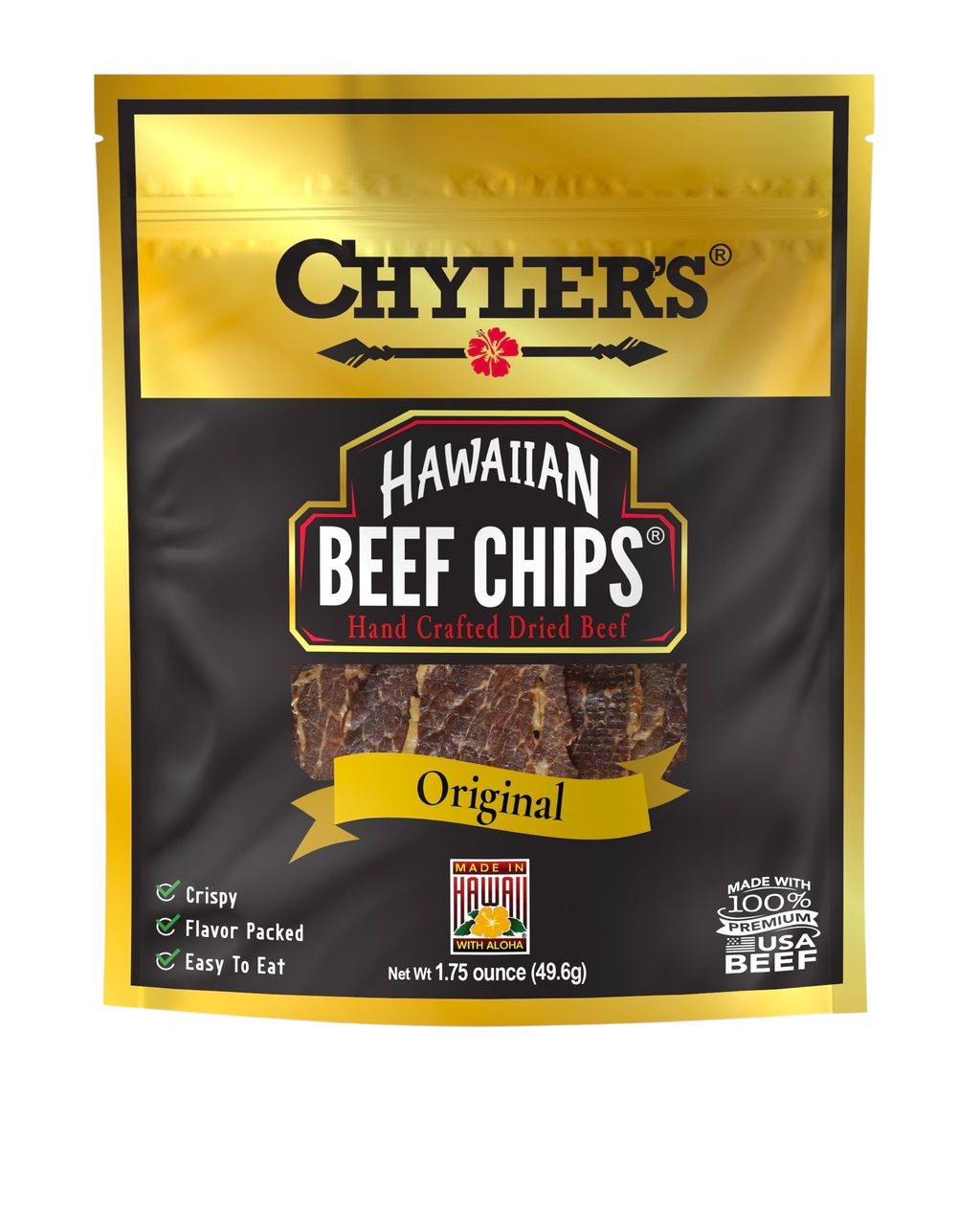
Chyler's Hawaiian Beef Chips® are built for snackers who want that distinction. Their wafer-thin strips of premium US beef are marinated with authentic Hawaiian flavors and finished with a uniquely crave-worthy, chip-like crunch - a bolder alternative to standard crispy jerky.
How to tell if a savory snack will satisfy
Before you open the bag, packaging language can offer useful clues. Words like thin-sliced, crisp, chip-like, and crunchy generally point toward a quick-breaking texture. Descriptions focused on tender, slow-smoked, or thick-cut often signal more chew. Neither is automatically better, but knowing the difference keeps expectations honest.
Once you take a bite, pay attention to three things: resistance, sound, and finish. Does it snap cleanly or pull apart? Is the crunch lively or oddly hard? Does the flavor arrive right away and stay balanced, or does the texture overpower it? The best savory snacks make those elements work together.
A snack should earn the next bite. Choose the texture that matches your mood, then look for the craftsmanship behind it: quality beef, a real marinade, confident seasoning, and a finish that makes flavor impossible to ignore. When the crunch is right, savory snacking stops being an afterthought and becomes the best part of the day.