

That sweet-savory edge on a thin, crunchy strip of beef usually comes from the marinade, which is why the answer to “do beef chips contain sugar” is not a simple yes or no. Beef itself is naturally very low in carbohydrates, but beef chips can pick up sugar during seasoning, marinating, or finishing. The only dependable answer is on the package in your hand.
For snackers who want bold flavor without settling for a tough, bland piece of jerky, that distinction matters. A little sugar can round out salty, smoky, peppery, garlicky, or spicy notes. More sugar can change the nutrition profile and the overall flavor of the snack.
Do Beef Chips Contain Sugar? It Depends on the Recipe
Plain dried beef made with beef, salt, and spices may contain no added sugar. But most beef chips are not just plain dried beef. They are built around a marinade or seasoning blend designed to make every bite more crave-worthy.
Sugar may appear as cane sugar, brown sugar, honey, molasses, syrup, or ingredients such as teriyaki sauce and barbecue sauce. Some recipes use a small amount to balance salt and heat, while others lean sweeter for a glazed or candy-like profile. Neither approach is automatically better. It comes down to what you want from your snack.
The important distinction is between total sugars and added sugars. Total sugars show the grams of sugar in one serving. Added sugars identify how much was added during production rather than occurring naturally in the food. Since plain beef does not bring meaningful sugar to the table, sugar on a beef chip label usually comes from the recipe, not the meat.
A product can also taste slightly sweet without showing much sugar per serving. Savory ingredients, roasted spices, onion, garlic, and umami-rich sauces can create a fuller flavor that your palate may read as mild sweetness. That is why both the Nutrition Facts panel and ingredient list deserve a quick look.
Why Sugar Shows Up in Beef Chip Marinades
Sugar is not there only to make a meat snack sweet. In a well-built marinade, it can perform a few jobs at once.
First, it balances intensity. Beef chips are often seasoned with salt, pepper, chile, garlic, soy-based sauces, and other big flavors. A touch of sweetness can soften sharp edges and keep heat from taking over the entire bite.
Second, sugar can support browning during cooking. That deeper color and roasted flavor can make a thin beef chip taste richer and more developed. The exact effect depends on the production method, the amount of sugar used, and how the beef is dried or cooked.
Third, it can be part of a regional flavor profile. Hawaiian-inspired marinades often play with sweet and savory contrast. The goal is not necessarily a sugary snack. It is the kind of layered flavor that keeps you reaching for another crisp piece.
There is a trade-off. A sweeter marinade can be delicious, especially if you enjoy teriyaki-style flavors, but it may not fit a low-sugar eating plan. A less-sweet recipe may better match your goals, though it can taste saltier, hotter, or more spice-forward. Flavor has a job to do, and different recipes ask sweetness to do different work.
How to Read a Beef Chip Label in 30 Seconds
Start with the serving size. Nutrition numbers only mean something in context. If the bag contains multiple servings and you finish it during a road trip, at your desk, or after a workout, multiply the listed sugar by the number of servings you actually eat.
Then look at the Total Sugars line and the Added Sugars line. If you are actively limiting added sugar, the second number is the faster signal. Next, scan the ingredient list. Ingredients are generally listed from greatest to least by weight, so sugar near the beginning suggests it plays a larger role in the formula than sugar listed closer to the end.
Keep an eye out for sweeteners that do not always announce themselves with the word “sugar.” Common examples include:
- Cane sugar, brown sugar, honey, and molasses
- Corn syrup, rice syrup, or fruit juice concentrate
- Teriyaki, barbecue, and sweet soy-based sauces
- Dextrose, maltodextrin, and other carbohydrate-based ingredients
Does Zero Sugar Mean a Better Beef Chip?
Not always. A zero-sugar beef chip can be a great choice if you are following a lower-sugar or lower-carb plan. Under U.S. labeling rules, though, “zero sugar” can mean less than 0.5 grams per serving, not necessarily an absolute zero in every bite. It is smart to check the full label rather than relying on a front-of-package callout alone.
Also consider what replaces the sugar, if anything. Some recipes use alternative sweeteners. Others skip sweetness altogether and push savory spice, smoke, or salt. The result may be exactly what you want, or it may have a lingering aftertaste or a less rounded flavor. Your preference matters as much as the number.
If you are managing diabetes, monitoring carbohydrates, or following medical nutrition guidance, use the serving size and full carbohydrate information as part of your decision. A meat snack can be a convenient source of protein, but it is still worth comparing labels, especially when you snack often.
Crunch Changes the Snacking Experience
Texture does not change the sugar content, but it can change how satisfying a snack feels. Thick, chewy jerky and wafer-thin beef chips create very different eating experiences. A crisp, chip-like piece delivers an immediate crunch and lets seasoning hit the palate quickly. That makes bold flavors feel bigger without requiring a heavy coating.
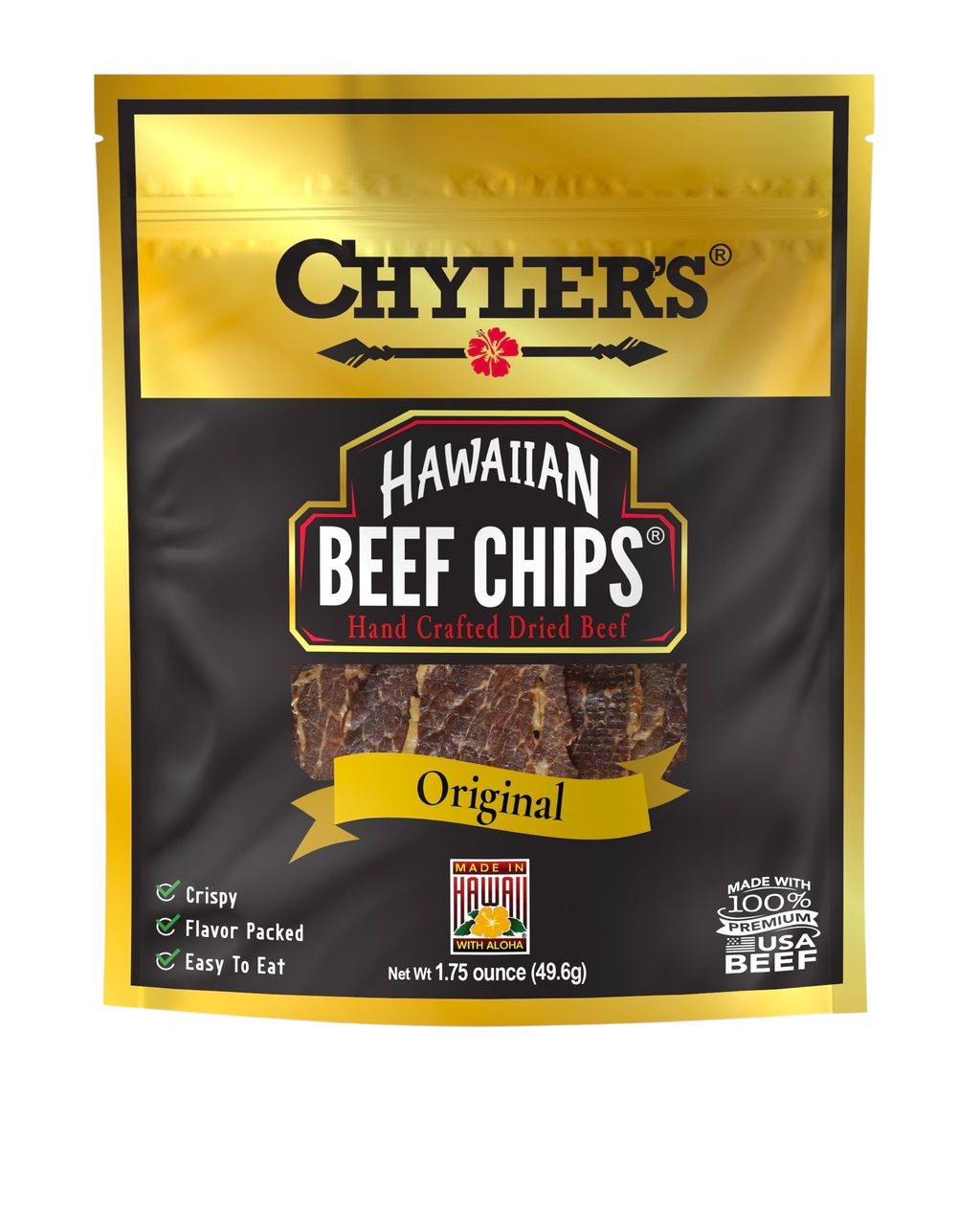
That is part of the appeal behind Chyler’s Hawaiian Beef Chips®. Premium U.S. beef, authentic Hawaiian flavors, and a distinctive chip-like crunch create a snack that stands apart from standard jerky. Still, flavor names alone cannot tell you the sugar content. Original, cracked pepper, spicy, roasted garlic, and other varieties can each use a different balance of marinade and spice, so always refer to the product’s current package information.
This is especially useful when comparing varieties within the same brand. A roasted garlic option may get most of its personality from savory aromatics, while a sweet-and-spicy flavor may use sugar to tame the chile. The best pick is the one that meets your flavor craving and your nutrition priorities.
Choosing Beef Chips That Fit Your Routine
Think about when and why you are eating them. If you need an easy desk snack or a road-trip option, a flavorful beef chip can keep things interesting when ordinary snacks feel forgettable. If you are looking for a post-gym bite, you may care more about protein, calories, and serving size than a gram or two of sugar. If you are cutting added sugar, that number moves to the top of the label.
It also helps to avoid treating sugar as the only measure of quality. Check sodium, protein, ingredients, portion size, and how the snack actually tastes. A premium meat snack should earn its place with real beef flavor, a clean crunch, and seasoning that does more than shout.
The next time you reach for a bag, let the label answer the sugar question and let your taste buds handle the fun part. A great beef chip should bring the bold, savory crunch you came for, with a recipe that fits the way you like to snack.