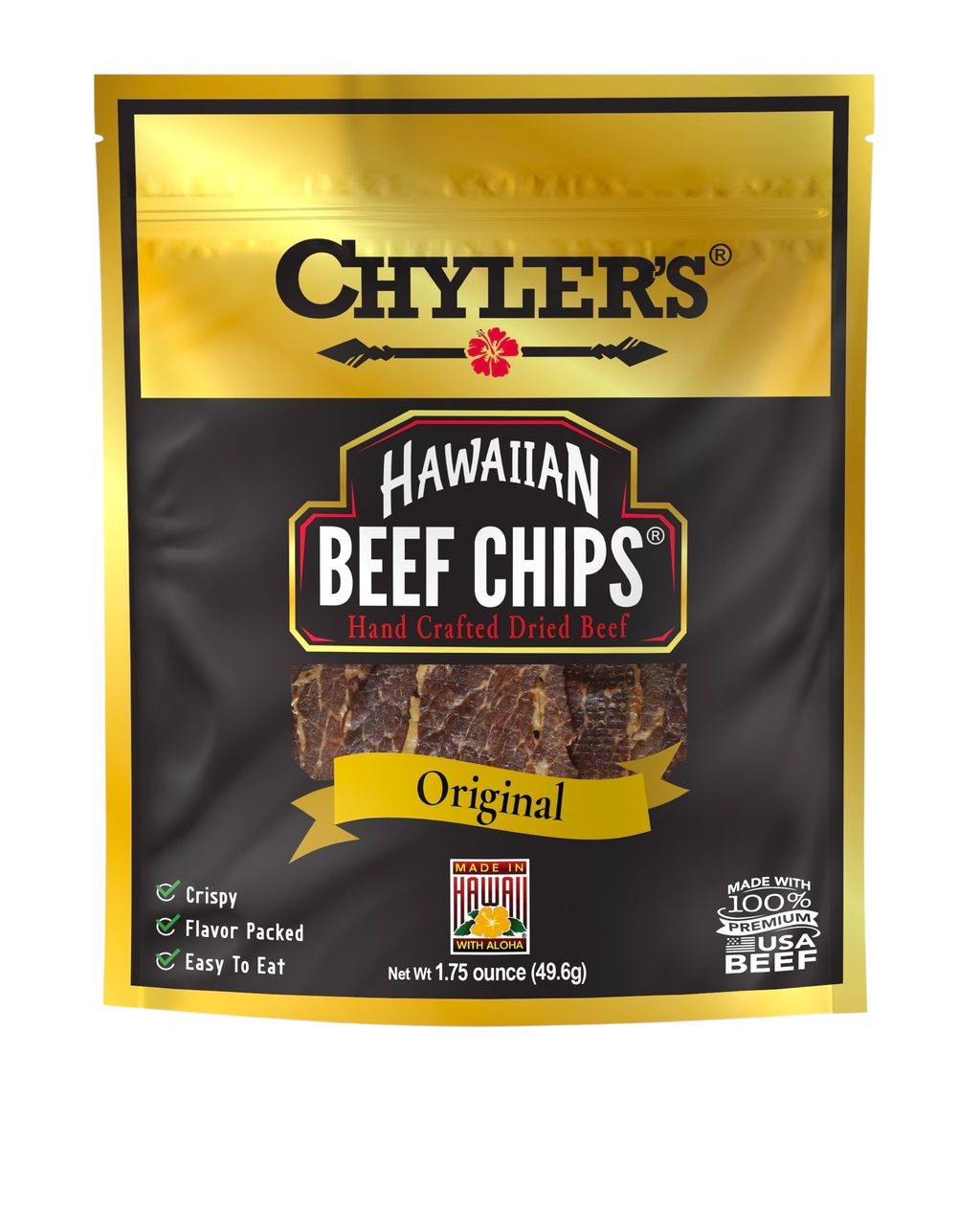


That moment when you want a salty, savory snack but do not want to crush a bag of potato chips is exactly where the question starts: are beef chips healthier than the usual snack aisle options - or even healthier than jerky? The short answer is that they can be. But the real answer depends on what "healthier" means for you, what is in the bag, and how much you eat in one sitting.
Are beef chips healthier when you want protein?
If your snack goal is more protein and fewer empty carbs, beef chips usually have a strong case. They are made from beef, so they naturally bring protein to the table in a way standard chips do not. That makes them appealing if you want something more filling between meals, after a workout, or during a long workday when a carb-heavy snack wears off fast.
Compared with potato chips, beef chips are often lower in carbohydrates and much higher in protein. That shift alone can make them feel more satisfying. Protein tends to keep you fuller longer, which means a smaller portion may actually do the job.
Compared with jerky, beef chips can be similar in protein, but texture changes the experience. Jerky is often chewy, dense, and easy to eat slowly. Beef chips have a lighter, crispier bite, so they feel more like a true snack food while still delivering meat-based nutrition. For people who want the flavor payoff of jerky without the tough chew, that matters.
What makes a beef chip healthy or less healthy?
This is where the label matters more than the category name. Not all beef chips are built the same. Some are made with simple ingredients and a straightforward marinade. Others can lean heavily on sodium, sugar, preservatives, or flavor boosters that make the nutrition profile less impressive.
A healthier beef chip usually checks a few boxes. It starts with quality beef, keeps added sugar in moderation, and does not load the product with unnecessary fillers. Portion size matters too. Because dried meat is concentrated, a small serving can pack a lot of flavor, protein, and sodium at once.
That means beef chips can absolutely be a better-for-you snack, but they are not automatically a free pass. If you are watching blood pressure, sodium may be your biggest concern. If you are managing calories, the serving size on the label deserves a real look, especially since crunchy meat snacks can be easy to keep reaching for.
Beef chips vs potato chips
This is usually the easiest comparison. Traditional potato chips are mostly about crunch, fat, salt, and fast-burning carbs. They can be satisfying for a minute, but they do not offer much in the way of protein. Beef chips bring a very different nutritional profile.
In many cases, beef chips offer more protein, fewer carbs, and less of the starchy filler you get from a standard chip. That can make them a smarter option for people trying to cut back on empty-calorie snacking. They also tend to feel more substantial, which may help with portion control if you are someone who snacks because you are actually hungry, not just bored.
Still, potato chips are not a perfect straw man. Some baked or lower-fat chip options may come in lower on calories per serving. And if you are looking for a snack with less sodium, not every beef chip will win that battle. Healthier depends on whether you care most about protein, carbs, total calories, or salt.
Are beef chips healthier than jerky?
This is the more interesting comparison because both snacks start with beef. So the answer is less about one being universally better and more about differences in processing, texture, and formulation.
Jerky is often thicker, chewier, and sometimes sweeter. Many jerky products use sugar-heavy marinades or sticky glazes that push the carbs up more than people expect. Beef chips, especially the thin, crisp style, can feel cleaner and lighter on the palate. They may also be easier to portion because each piece is distinct and snackable.
Nutritionally, either one can come out ahead depending on the recipe. A beef chip with premium US beef, a balanced marinade, and a clean ingredient list can absolutely stack up well against jerky. A jerky with low sugar and moderate sodium can be a solid choice too. The label decides the winner, not the name on the bag.
Texture also plays a quiet role in how healthy a snack feels in real life. If jerky is so tough that you only eat a little, that can help with portion control. If beef chips are crisp, crave-worthy, and easier to eat quickly, you may need to be more mindful of servings. On the other hand, if that satisfying crunch keeps you from reaching for a second snack, beef chips may work in your favor.
Ingredients matter more than marketing
The front of the package can say high protein, low carb, or premium, but the ingredient panel tells the truth. Look for beef as the first ingredient. Then check what is doing the flavor work. Marinades and seasonings are where sugar and sodium often climb.
A shorter ingredient list is not automatically healthier, but it can be a good sign when it reflects real seasoning rather than a chemistry project. If flavor matters to you, this is not about settling for bland. It is about finding a product that delivers bold taste without overloading every nutritional red flag at once.
That balance is where premium products can stand out. A well-made beef chip is not trying to hide behind artificial flavor or excessive sweetness. It leans on quality meat, careful seasoning, and texture that makes every bite feel earned. That is part of what gives a handcrafted snack more staying power than a generic bag of crunchy salt.
When beef chips make the most sense
Beef chips are especially appealing if you want a portable snack with real protein and a more satisfying bite than standard chips. They work well for road trips, office drawers, post-hike snacking, and those late-afternoon hours when you want something savory but not heavy.
They also make sense for people who are bored with jerky. A lot of dried beef snacks lean too hard into toughness, dryness, or one-note seasoning. Beef chips bring a different experience. The crisp texture makes them feel more snackable, and bold flavors can make the portion feel more enjoyable rather than functional.
That said, they are not ideal for every situation. If you need a very low-sodium snack, you will need to compare labels carefully. If you are looking for the lowest-calorie option possible, dried meat may not beat lighter snacks by volume. And if you tend to snack mindlessly, any crunchy food - even a protein-forward one - can disappear fast.
How to tell if a beef chip fits your goals
Start with the basics: protein, sodium, sugar, fat, and serving size. If you want satiety, prioritize protein. If you are cutting carbs, check for sweet marinades. If heart health is top of mind, sodium deserves extra attention.
Then think beyond the numbers. Ask whether the snack actually satisfies you. A healthy snack that leaves you rummaging through the pantry ten minutes later is not doing much for your routine. The best snack is the one that fits your goals and keeps you from overcorrecting with something worse.
For many snackers, that is where beef chips hit the sweet spot. They offer meat-based protein, serious flavor, and a crave-worthy crunch that feels closer to a chip than classic jerky. Done well, they deliver the kind of snacking experience that feels indulgent without being nutritionally empty.
If you are choosing between beef chips and the usual bag of chips, beef chips often come out ahead. If you are choosing between beef chips and jerky, it is a tighter race, and the label decides it. Either way, better snacking starts with better ingredients, smarter portions, and a product you actually look forward to eating.
If that sounds like your lane, go for the beef snack that brings real flavor, real texture, and enough protein to make snack time count.